
In today’s digital environment, organizations rely on specialized software solutions to improve efficiency, automate workflows, and manage increasingly complex operations. Among emerging technology discussions, software rcsdassk has gained attention as a flexible platform designed to support data management, workflow optimization, system integration, and operational visibility.
Whether you are a business leader exploring technology investments, an IT professional evaluating new tools, or simply researching modern software ecosystems, understanding how software rcsdassk functions can provide valuable insights into digital transformation strategies. This comprehensive guide explores its capabilities, advantages, practical applications, implementation considerations, and future outlook.
Understanding Software RCSDASSK
Software rcsdassk refers to a technology platform designed to streamline operational processes through automation, centralized management, and intelligent data handling. It serves as a framework that helps organizations improve productivity while reducing manual effort.
The growing interest in software rcsdassk stems from the increasing need for scalable solutions that can adapt to changing business requirements. As organizations generate larger volumes of information, software platforms that simplify management become increasingly valuable.
Why Modern Organizations Need Advanced Software Solutions
Businesses today operate in environments characterized by rapid change, distributed teams, and large-scale data generation. Traditional manual workflows often struggle to keep pace with these demands.
Software rcsdassk addresses these challenges by creating structured workflows, improving information accessibility, and enabling faster decision-making. This combination helps organizations remain competitive while maintaining operational consistency.
Core Features of Software RCSDASSK
One of the defining characteristics of software rcsdassk is its ability to integrate multiple operational functions into a unified environment. This minimizes fragmentation and creates smoother communication across departments.
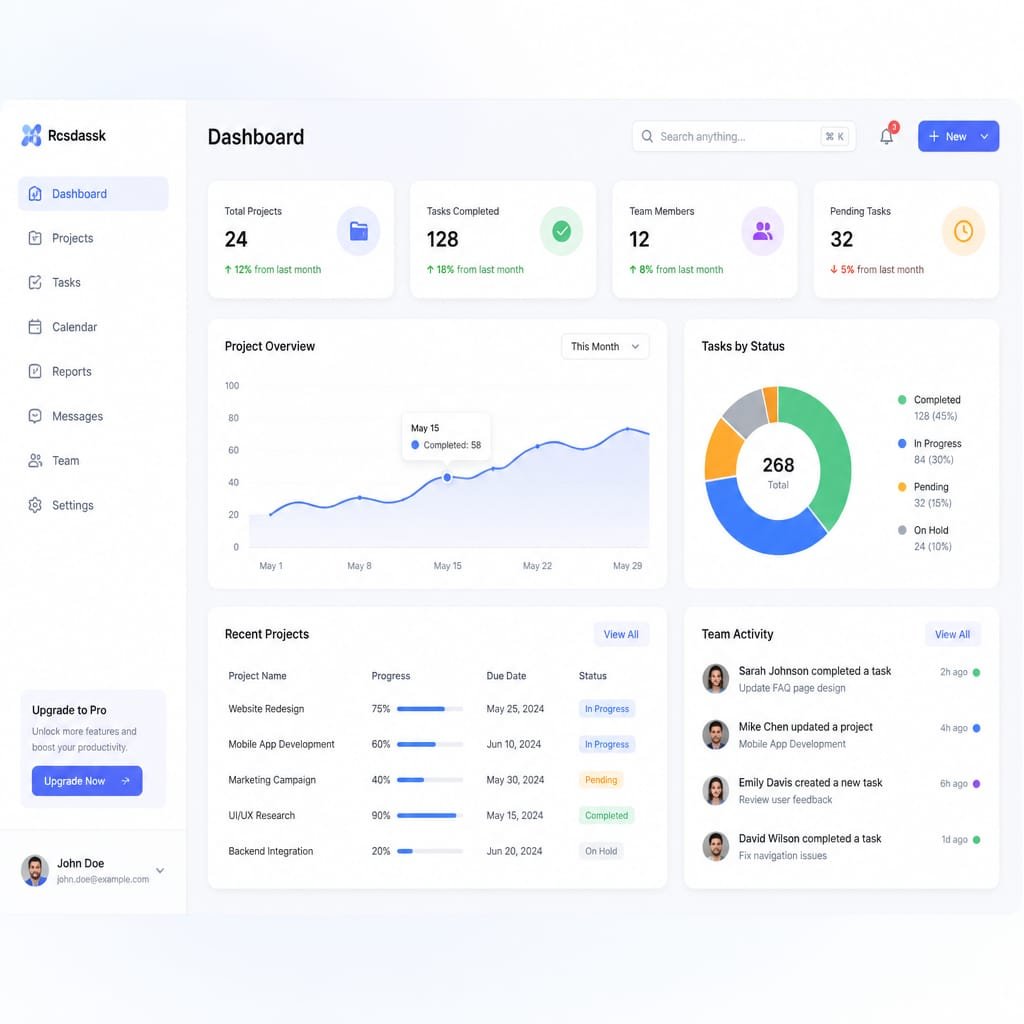
Additional features often include workflow automation, reporting dashboards, user access management, data synchronization, performance monitoring, and configurable settings that support various organizational structures.
How Software RCSDASSK Works
At its foundation, software rcsdassk collects, processes, and organizes information from multiple sources. The platform then transforms raw data into actionable insights that users can access through intuitive interfaces.
Automation engines within the system reduce repetitive tasks by executing predefined actions based on triggers, conditions, and business rules. This reduces human error while accelerating operational workflows.
The Evolution of Business Software Platforms
Software systems have evolved dramatically from simple data-entry tools to intelligent ecosystems capable of supporting enterprise-wide operations. Modern platforms prioritize flexibility, scalability, and user experience.
Software rcsdassk reflects this evolution by combining automation, analytics, integration capabilities, and centralized management into a single operational environment that supports long-term growth.
Key Benefits of Software RCSDASSK
Organizations adopting software rcsdassk often experience improvements in productivity, collaboration, and process visibility. Employees spend less time on administrative work and more time on high-value activities.
The platform also enhances consistency by standardizing workflows and reducing dependency on manual procedures. This contributes to better compliance, improved reporting accuracy, and stronger operational control.
Major Components Within Software RCSDASSK
A typical software rcsdassk environment consists of several interconnected modules that work together to support business objectives. These modules can often be customized according to organizational requirements.
Common components include workflow management systems, reporting tools, user administration panels, analytics engines, integration frameworks, notification systems, and security controls.
Comparison of Key Functional Areas
| Functional Area | Purpose | Business Impact | Typical Users |
| Workflow Automation | Streamline repetitive tasks | Increased efficiency | Operations teams |
| Data Management | Organize and store information | Better accuracy | Administrators |
| Reporting Dashboard | Visualize performance metrics | Faster decisions | Managers |
| Security Controls | Protect sensitive data | Reduced risk | IT departments |
| Integration Tools | Connect external systems | Improved collaboration | Technical teams |
| Analytics Engine | Generate insights | Strategic planning | Executives |
This structured approach allows software rcsdassk to support multiple organizational functions while maintaining operational consistency across departments.
Workflow Automation Capabilities
Automation is one of the most valuable aspects of software rcsdassk. Repetitive tasks such as approvals, notifications, status updates, and data transfers can be executed automatically.
By reducing manual intervention, organizations can lower operational costs while improving process speed. Employees are then able to focus on strategic initiatives rather than routine administrative activities.
Data Management and Organization
Effective data management remains a critical challenge for businesses of all sizes. Information often exists across multiple systems, creating inefficiencies and increasing the likelihood of errors.
Software rcsdassk helps centralize data storage and access, creating a single source of truth that improves consistency, reliability, and organizational transparency.
Reporting and Analytics Features
Modern organizations require real-time visibility into operational performance. Dashboards and analytics tools enable decision-makers to monitor trends, identify issues, and evaluate outcomes.
Software rcsdassk supports this need by providing customizable reports and visual insights that help stakeholders understand business performance more effectively.
Integration With Existing Systems
One of the strongest advantages of software rcsdassk is its ability to integrate with existing technology infrastructure. This reduces disruption while maximizing the value of current investments.
Organizations can connect databases, communication platforms, customer management systems, and operational tools into a cohesive ecosystem that supports seamless information flow.
Security and Compliance Considerations
Cybersecurity and regulatory compliance are essential priorities for modern organizations. Software solutions must protect sensitive information while supporting governance requirements.
Software rcsdassk often incorporates access controls, authentication mechanisms, activity monitoring, and data protection measures designed to reduce security risks and improve accountability.
Scalability for Growing Organizations
Technology investments should support future growth rather than create limitations. Scalability enables organizations to expand operations without replacing existing systems.
Software rcsdassk is designed to accommodate increased workloads, larger user bases, and expanding datasets while maintaining performance and reliability.
Industry Applications of Software RCSDASSK
Different industries can leverage software rcsdassk to address unique operational challenges. The platform’s flexibility makes it suitable for a wide range of use cases.
Examples include project management, resource allocation, customer service operations, logistics coordination, administrative workflows, and performance monitoring initiatives.
Role in Digital Transformation
Digital transformation requires organizations to rethink processes, technologies, and customer experiences. Software platforms play a central role in enabling this transition.
Software rcsdassk supports transformation efforts by creating streamlined workflows, enhancing visibility, and enabling data-driven decision-making across departments.
Improving Team Collaboration
Collaboration becomes increasingly important as organizations adopt hybrid and remote work models. Teams need access to shared information and coordinated workflows.
By centralizing communication and operational processes, software rcsdassk helps improve transparency, accountability, and coordination among team members.
Cost Efficiency and Operational Savings
Organizations continually seek ways to reduce costs while maintaining service quality. Automation and process optimization represent significant opportunities for improvement.
Software rcsdassk contributes to cost savings by minimizing repetitive work, reducing errors, improving resource allocation, and accelerating operational execution.
Common Challenges During Implementation
While software adoption offers significant benefits, implementation requires careful planning. Organizations may encounter resistance to change, integration complexities, or training requirements.
Successful deployment of software rcsdassk depends on stakeholder engagement, clear objectives, realistic timelines, and ongoing support throughout the transition process.
Best Practices for Successful Adoption
A structured implementation strategy significantly increases the likelihood of success. Organizations should begin by identifying business goals and measurable outcomes.
Training programs, pilot deployments, user feedback collection, and continuous optimization help maximize the value delivered by software rcsdassk over time.
Measuring Return on Investment
Technology investments should deliver measurable business value. Organizations often evaluate performance through efficiency gains, cost reductions, and productivity improvements.
Metrics such as task completion times, workflow accuracy, employee utilization, and operational throughput can help assess the impact of software rcsdassk.
Future Trends Influencing Software Platforms
The software industry continues to evolve through advancements in artificial intelligence, machine learning, cloud computing, and predictive analytics. These technologies are reshaping business operations.
As these innovations mature, software rcsdassk may incorporate more intelligent automation capabilities, deeper analytical functions, and enhanced decision-support tools.
Artificial Intelligence and Intelligent Automation
AI-driven capabilities are becoming increasingly important within modern software environments. Intelligent systems can identify patterns, predict outcomes, and recommend actions.
Software rcsdassk can benefit from these developments by enabling smarter workflows, automated decision-making, and improved operational forecasting.
Cloud-Based Deployment Advantages
Cloud computing has transformed how organizations deploy and manage software solutions. Businesses can access advanced capabilities without significant infrastructure investments.
Cloud-enabled software rcsdassk environments offer flexibility, scalability, accessibility, and simplified maintenance while supporting distributed workforces.
User Experience and Accessibility
A powerful software platform must also be easy to use. User adoption often depends on interface quality, navigation simplicity, and accessibility features.
Software rcsdassk prioritizes usability by providing intuitive workflows, streamlined dashboards, and configurable environments that accommodate diverse user needs.
Common Misconceptions About Software RCSDASSK
Some organizations assume that advanced software solutions are only suitable for large enterprises. In reality, scalable platforms can benefit businesses of many sizes.
Another misconception is that implementation automatically guarantees success. The true value of software rcsdassk emerges when organizations align technology with clearly defined business objectives.
Strategic Value Beyond Technology
Technology alone does not create competitive advantage. The real value comes from how organizations use software to improve decision-making and operational performance.
Software rcsdassk serves as an enabler that supports innovation, collaboration, efficiency, and long-term business growth when integrated into broader organizational strategies.
Expert Perspective on Software Adoption
As management expert Peter Drucker famously stated, “Efficiency is doing things right; effectiveness is doing the right things.”
This principle highlights why organizations increasingly invest in platforms like software rcsdassk. Effective technology adoption is not simply about automation but about enabling better business outcomes through smarter processes.
Choosing the Right Implementation Strategy
Every organization has unique goals, operational structures, and technical environments. Therefore, implementation strategies should be tailored rather than standardized.
A phased approach often allows teams to learn gradually, reduce risk, and demonstrate measurable success before expanding software rcsdassk across additional departments.
The Long-Term Outlook for Software RCSDASSK
As organizations continue pursuing operational excellence, demand for intelligent software platforms is expected to grow. Businesses increasingly require tools that support agility and data-driven management.
Software rcsdassk is positioned within this broader trend by offering capabilities that align with modern expectations for automation, visibility, scalability, and continuous improvement.
Conclusion
Software rcsdassk represents a modern approach to workflow management, operational optimization, and digital transformation. By combining automation, data management, analytics, integration capabilities, and scalable architecture, it helps organizations address many of today’s most pressing business challenges.
Whether implemented within a small business environment or a large enterprise ecosystem, software rcsdassk can contribute to greater efficiency, stronger collaboration, improved decision-making, and enhanced operational visibility. As technology continues to evolve, platforms that unify processes and simplify complexity will remain essential components of successful organizational strategies.
FAQ
What is software rcsdassk?
Software rcsdassk is a technology platform designed to streamline workflows, improve data management, automate processes, and support operational efficiency across organizations.
What are the primary benefits of software rcsdassk?
The primary benefits of software rcsdassk include increased productivity, improved collaboration, reduced manual work, better reporting capabilities, and enhanced operational visibility.
Can software rcsdassk integrate with existing systems?
Yes, software rcsdassk is typically designed to integrate with databases, communication platforms, operational tools, and other business systems to create a connected environment.
Is software rcsdassk suitable for small businesses?
Software rcsdassk can be adapted for organizations of various sizes, making it a viable option for both small businesses and large enterprises seeking workflow optimization.
How does software rcsdassk improve efficiency?
Software rcsdassk improves efficiency by automating repetitive tasks, reducing errors, streamlining workflows, and providing centralized access to information.
What industries can benefit from software rcsdassk?
Many industries can benefit from software rcsdassk, including administration, logistics, project management, customer service, operations management, and technology-driven organizations.
Does software rcsdassk support future growth?
Yes, software rcsdassk is often built with scalability in mind, allowing organizations to expand users, workloads, and operational requirements without major disruptions.
You May Also Read : What Are Narrow Clavicles