
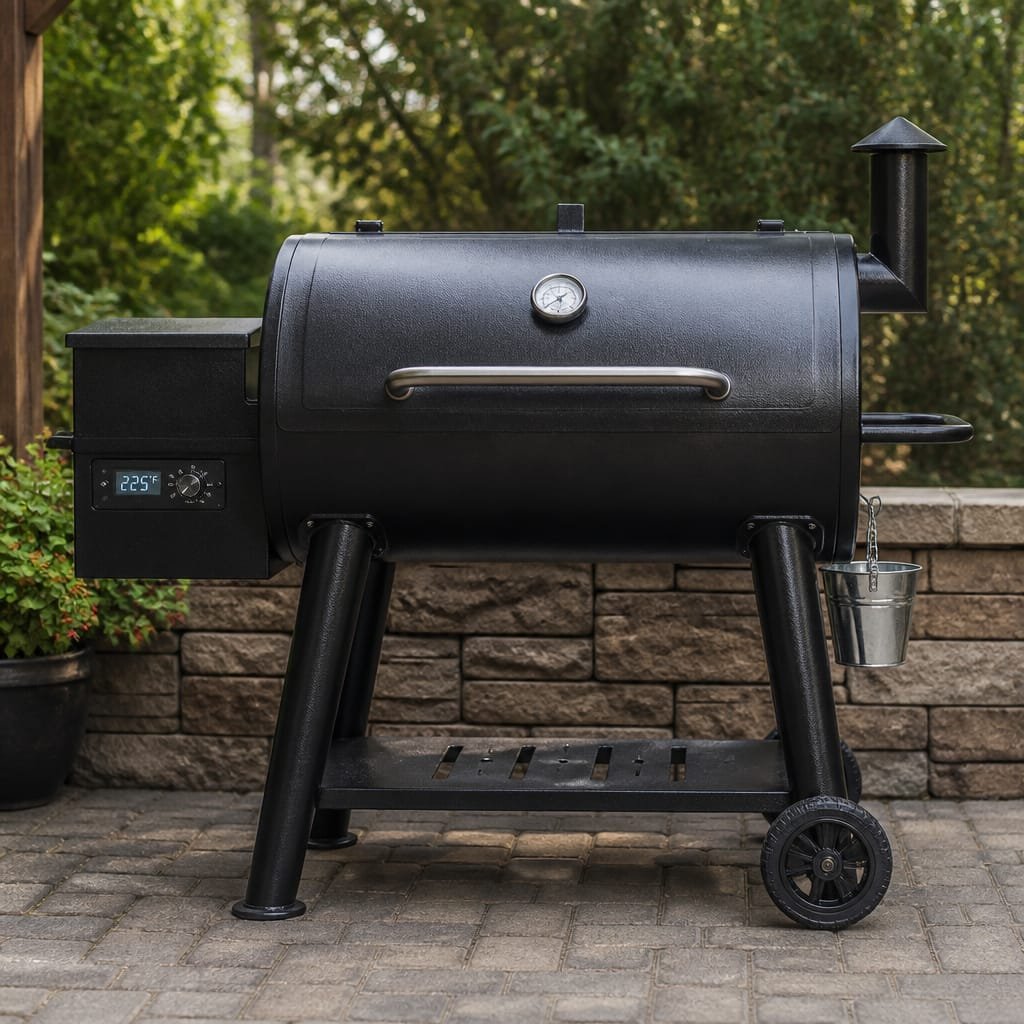

Choosing between a charcoal or pellet grill is one of the most important decisions a backyard cook can make. Both options produce exceptional food, create memorable outdoor cooking experiences, and have loyal communities of enthusiasts who swear by their preferred method.
Yet the differences are significant. Flavor, temperature control, convenience, maintenance, operating costs, and cooking versatility all vary depending on which grill you choose. What works perfectly for a competitive barbecue enthusiast may not be ideal for a busy family looking for quick weeknight meals.
This comprehensive guide explores every aspect of the charcoal or pellet grill debate. Whether you’re buying your first grill or upgrading your outdoor cooking setup, you’ll gain the knowledge needed to make a confident and informed decision.
Understanding Charcoal Grills
Charcoal grills have been a cornerstone of outdoor cooking for generations because they deliver the classic grilling experience many people associate with barbecue.
The cooking process relies on burning charcoal briquettes or lump charcoal beneath the cooking grate. The resulting heat and smoke create the distinctive flavor profile that many grill enthusiasts consider the gold standard for outdoor cooking.
Understanding Pellet Grills
Pellet grills are a modern innovation that combines traditional wood-fired flavor with digital technology and automated temperature management.
Instead of charcoal, these grills burn compressed hardwood pellets that are automatically fed into a fire pot. An electronic controller regulates pellet delivery, helping maintain precise temperatures with minimal user intervention.
The Evolution of Outdoor Cooking
Outdoor cooking has transformed dramatically over the last several decades, moving from simple charcoal pits to highly sophisticated cooking systems.
Today’s consumers often compare a charcoal or pellet grill because both offer authentic fire-cooked food while serving different lifestyles. One emphasizes tradition and hands-on involvement, while the other prioritizes consistency and convenience.
Flavor Comparison
Flavor remains one of the biggest reasons people become passionate about grilling. The taste difference between charcoal and pellet cooking is noticeable, although preferences vary.
Charcoal generally produces a stronger smoky aroma and a deeper grilled flavor. Pellet grills deliver cleaner wood smoke and subtle complexity, making them excellent for low-and-slow barbecue and smoked meats.
Heat Performance
Heat output affects everything from steak searing to pizza cooking. Different grilling styles require different temperature capabilities.
Charcoal grills often reach higher peak temperatures than pellet models, making them excellent for creating dark crusts and restaurant-style sear marks. Pellet grills focus more on stable, controlled heat throughout extended cooking sessions.
Temperature Control
Managing temperature is one of the most important aspects of successful grilling. Consistency can dramatically impact cooking results.
Pellet grills excel here because digital controllers automatically adjust fuel delivery. Charcoal grills require manual vent adjustments and more active monitoring to maintain desired cooking temperatures.
Ease of Use
Many first-time buyers evaluate convenience before making a purchase. Ease of operation often determines how frequently a grill gets used.
A pellet grill typically starts with the push of a button and maintains temperature automatically. Charcoal grilling requires lighting fuel, waiting for proper burn conditions, and manually controlling airflow throughout the cooking process.
Learning Curve
Every grill type requires practice, but the learning experience differs significantly between these cooking systems.
Beginners often find pellet grills easier because technology handles much of the temperature management. Charcoal grilling rewards experience and technique, creating a deeper connection between the cook and the cooking process.
Startup Time
The amount of time needed before cooking begins can influence purchasing decisions, especially for busy households.
Charcoal grills usually require twenty to thirty minutes for fuel preparation and heat stabilization. Pellet grills often become ready faster while requiring less direct attention during startup.
Cooking Versatility
Modern grill buyers want equipment capable of handling multiple cooking styles. Versatility can improve long-term value and satisfaction.
Both charcoal and pellet grills can grill, roast, and smoke. However, pellet grills often provide greater consistency for smoking, while charcoal units frequently excel in high-heat grilling applications.
Smoking Performance
Smoking meat has become increasingly popular among backyard cooks seeking authentic barbecue flavors.
Pellet grills were practically designed for smoking, maintaining stable temperatures for extended periods. Charcoal smokers and charcoal grill setups can produce exceptional results but often require more active management.
Searing Capability
A great sear enhances texture, flavor, and visual appeal. This factor matters especially for steak lovers.
Charcoal grills generally dominate this category because they can generate intense direct heat. Some premium pellet grills include dedicated searing zones, but many still struggle to match charcoal’s highest temperatures.
Fuel Sources Explained
Understanding fuel characteristics helps consumers estimate long-term costs and cooking performance.
Charcoal comes primarily in briquette and lump varieties, while pellet grills use compressed hardwood pellets available in numerous wood species such as hickory, oak, mesquite, apple, and cherry.
Fuel Cost Comparison
Operating expenses vary depending on cooking frequency, fuel availability, and local market conditions.
Charcoal is often readily available and reasonably priced. Pellet costs can be slightly higher over time, although efficient fuel usage and cooking consistency may offset some of the difference.
Maintenance Requirements
Regular maintenance improves performance, safety, and equipment longevity regardless of grill type.
Charcoal grills require ash removal and occasional grate cleaning. Pellet grills need hopper maintenance, fire pot cleaning, ash management, and periodic inspection of electronic components.
Durability and Longevity
A grill should represent a long-term investment rather than a short-term purchase. Construction quality plays a critical role in lifespan.
Premium charcoal grills often feature relatively simple mechanical designs with fewer parts that can fail. Pellet grills contain electronics, augers, fans, and controllers that require proper care over time.
Weather Performance
Outdoor cooking equipment frequently faces changing weather conditions, including wind, rain, and cold temperatures.
Pellet grills can be affected by moisture exposure and may consume additional fuel during cold weather. Charcoal grills are also weather-sensitive but generally have fewer components vulnerable to environmental conditions.
Environmental Considerations
Many consumers increasingly evaluate sustainability when purchasing outdoor cooking equipment.
Pellets are often made from compressed sawdust and wood byproducts, helping utilize materials that might otherwise go to waste. Charcoal production methods vary, making environmental impact dependent on sourcing and manufacturing practices.
Cost of Ownership
The purchase price alone does not reveal the full financial picture of grill ownership.
When comparing a charcoal or pellet grill, buyers should consider fuel expenses, maintenance requirements, replacement parts, accessories, and expected equipment lifespan alongside the initial purchase price.
Ideal Users for Charcoal Grills
Certain cooking personalities naturally gravitate toward charcoal grilling because of its unique characteristics.
People who enjoy hands-on cooking, high-temperature searing, traditional barbecue methods, and active fire management often find charcoal grills especially rewarding and satisfying.
Ideal Users for Pellet Grills
Convenience-focused cooks frequently appreciate the advantages offered by modern pellet cooking technology.
Busy families, beginners, and barbecue enthusiasts seeking consistent smoking results often prefer pellet grills because they simplify temperature management while preserving authentic wood-fired flavor.
Common Misconceptions
Many assumptions surrounding outdoor cooking equipment can lead consumers toward poor purchasing decisions.
One common myth is that pellet grills cannot produce flavorful food. Another is that charcoal automatically guarantees better results. In reality, cooking skill and technique remain critical regardless of equipment choice.
Comparing Key Features
The following table highlights major differences between charcoal and pellet grilling systems.
| Feature | Charcoal Grill | Pellet Grill |
| Flavor Intensity | Strong smoky flavor | Mild to moderate wood smoke |
| Temperature Control | Manual | Digital and automatic |
| Ease of Use | Moderate learning curve | Beginner-friendly |
| Startup Time | Moderate | Faster and automated |
| High-Heat Searing | Excellent | Good to very good |
| Smoking Capability | Excellent with skill | Excellent and consistent |
| Maintenance | Simple | More involved |
| Fuel Type | Charcoal briquettes or lump | Hardwood pellets |
| Electronics | None | Integrated controllers |
| Cooking Precision | Manual adjustment | High precision |
Real-World Backyard Scenarios
Imagine a weekend enthusiast hosting friends and wanting deeply seared steaks with a traditional barbecue atmosphere. In that scenario, charcoal may provide the experience they seek.
Now imagine someone preparing smoked brisket overnight while sleeping comfortably. A pellet grill’s automated temperature control becomes an enormous advantage in that situation.
Competition and Professional Perspectives
Professional pitmasters use a wide variety of cooking equipment depending on their goals, preferences, and competition rules.
As barbecue legend Myron Mixon once suggested through his broader barbecue philosophy, success comes from mastering your equipment rather than chasing a perfect cooker. Skill consistently matters more than the machine itself.
Technology Trends in Grilling
The grilling industry continues evolving with innovations focused on precision, connectivity, and user experience.
Modern pellet grills increasingly include Wi-Fi monitoring, smartphone controls, programmable cooking profiles, and advanced temperature sensors, making outdoor cooking more accessible than ever before.
Choosing Based on Your Cooking Style
The best purchase decision often comes down to matching equipment with personal habits and expectations.
If you enjoy managing fire, experimenting with airflow, and creating intense seared flavors, charcoal may be ideal. If consistency, convenience, and long smoking sessions appeal more strongly, pellet grilling deserves serious consideration.
Which Option Delivers Better Value?
Value depends less on price and more on how well a grill supports your intended cooking style and frequency of use.
A charcoal grill can provide tremendous value through affordability and versatility. A pellet grill can justify higher costs through convenience, precision, and consistent performance over time.
Conclusion
The charcoal or pellet grill debate does not have a universal winner because each option excels in different areas. Charcoal grills offer unmatched traditional grilling experiences, intense heat, and robust smoky flavor. Pellet grills provide exceptional convenience, precise temperature control, and reliable smoking performance.
For hands-on enthusiasts who enjoy managing live fire and creating powerful grilled flavors, charcoal remains a timeless choice. For cooks seeking consistency, ease of use, and set-it-and-forget-it functionality, pellet grills represent one of the most practical innovations in outdoor cooking.
Ultimately, the best charcoal or pellet grill is the one that aligns with your cooking goals, lifestyle, budget, and preferred grilling experience. Understanding these differences allows you to invest confidently and enjoy years of successful outdoor cooking.
FAQ
Is a charcoal or pellet grill better for beginners?
A charcoal or pellet grill comparison typically favors pellet grills for beginners because automated temperature control reduces the learning curve and simplifies cooking.
Does food taste better on a charcoal or pellet grill?
The answer depends on personal preference. A charcoal or pellet grill produces different flavor profiles, with charcoal generally delivering stronger smoky and grilled notes.
Which grill is cheaper to operate?
A charcoal or pellet grill can be economical depending on local fuel prices, though charcoal often has slightly lower operating costs in many regions.
Can pellet grills sear steaks effectively?
Many modern pellet grills can sear well, but a charcoal or pellet grill comparison often favors charcoal when maximum searing temperatures are desired.
Which grill requires more maintenance?
A charcoal or pellet grill differs in maintenance needs, with pellet grills requiring additional care for electronic systems and fuel delivery components.
Are pellet grills good for smoking meat?
Yes. In a charcoal or pellet grill comparison focused on smoking, pellet grills are often praised for maintaining steady temperatures over long cooking sessions.
Should I buy a charcoal grill or a pellet grill?
The best charcoal or pellet grill choice depends on your priorities. Choose charcoal for traditional grilling and intense heat, or choose pellet for convenience and precision cooking.
You May Also Read : Software RCSDASSK