
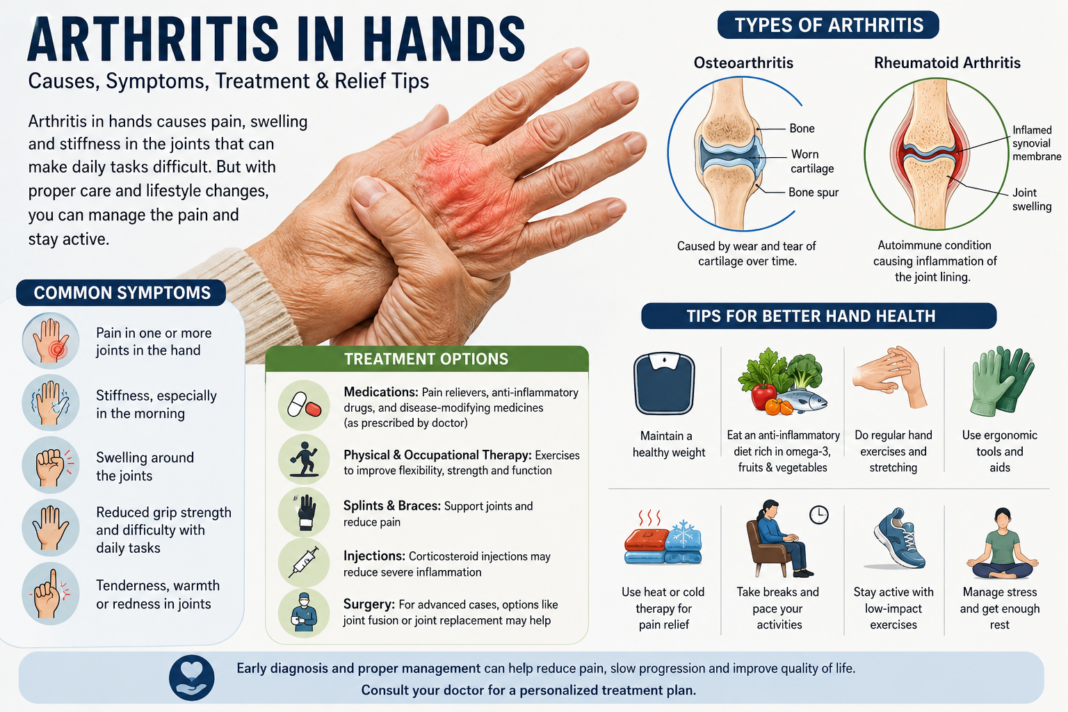

Arthritis in hands is one of the most common conditions that affects people of all ages, although it becomes more frequent as we grow older. Our hands perform hundreds of tasks every day, from holding a coffee cup to typing on a keyboard and opening doors. When arthritis develops, even these simple activities can become painful and frustrating. The condition can reduce grip strength, limit finger movement, and affect overall quality of life if left untreated. Fortunately, understanding the condition and managing it properly can make a significant difference.
Many people assume that arthritis is simply a natural part of aging, but that isn’t entirely true. While age increases the risk, arthritis can develop because of genetics, injuries, autoimmune diseases, or years of repetitive hand movements. Early diagnosis and proper treatment often help slow progression, reduce discomfort, and preserve hand function for many years.
This guide explains everything you need to know about arthritis in hands, including its causes, symptoms, diagnosis, treatment options, and practical lifestyle changes that can help you continue using your hands comfortably.
What Is Arthritis in Hands?
Arthritis in hands refers to inflammation and damage affecting the joints of the fingers, thumb, and wrist. Healthy joints contain smooth cartilage that allows bones to glide over one another without friction. When arthritis develops, this protective cartilage gradually wears away or becomes damaged, causing bones to rub together. The result is pain, stiffness, swelling, and decreased flexibility.
There are several different types of arthritis that can affect the hands, but osteoarthritis and rheumatoid arthritis are the most common. Osteoarthritis is caused by the gradual breakdown of cartilage due to aging or long-term wear and tear. Rheumatoid arthritis, on the other hand, is an autoimmune disease where the immune system mistakenly attacks healthy joint tissues, leading to inflammation and joint damage.
Although arthritis cannot always be completely cured, many treatment options are available today. With proper care, people can continue performing daily activities while minimizing pain and protecting their hand function. The earlier treatment begins, the better the chances of slowing joint damage and maintaining independence.
Common Causes of Arthritis in Hands
One of the biggest causes of arthritis in hands is aging. As people get older, cartilage naturally becomes thinner and less flexible, making joints more vulnerable to wear and tear. Years of repetitive movement also contribute to gradual joint deterioration, especially in people whose jobs involve manual labor, typing, sewing, construction work, or heavy lifting.
Genetics also play an important role. Some individuals inherit genes that make them more likely to develop arthritis. If close family members have experienced arthritis in their hands, your own risk may be higher. However, genetics alone does not determine whether arthritis will occur, as lifestyle and environmental factors also contribute.
Previous injuries can significantly increase the risk as well. Broken fingers, ligament injuries, wrist fractures, or dislocated joints may lead to post-traumatic arthritis years after the original injury has healed. In autoimmune conditions such as rheumatoid arthritis, the immune system mistakenly attacks joint lining, causing chronic inflammation that eventually damages cartilage, ligaments, and bones if left untreated.
Signs and Symptoms You Should Never Ignore
Pain is usually the first symptom people notice. Initially, discomfort may appear only after using the hands for extended periods, but as arthritis progresses, pain can become more frequent or even constant. Some people experience sharp pain during movement, while others describe it as a persistent aching sensation.
Morning stiffness is another common symptom. Many individuals find that their fingers feel tight and difficult to move after waking up. This stiffness often improves after gentle movement, but in rheumatoid arthritis, it may last for an hour or longer. Swelling around the finger joints can also make rings feel tighter or become impossible to wear.
As arthritis advances, people may notice reduced grip strength, difficulty opening jars, turning keys, writing, or holding small objects. In severe cases, finger joints may become enlarged or develop visible deformities. Some individuals also hear grinding or clicking sounds during movement because the protective cartilage has worn away.
How Arthritis in Hands Is Diagnosed
Diagnosing arthritis begins with a detailed medical history and physical examination. A healthcare provider will ask about symptoms, family history, previous injuries, daily activities, and how long pain or stiffness has been present. Examining the joints helps identify swelling, tenderness, warmth, deformity, and range of motion.
Imaging tests provide valuable information about joint health. X-rays are commonly used to detect cartilage loss, bone spurs, narrowed joint spaces, and changes in bone structure. In some situations, MRI or ultrasound scans may be recommended to evaluate soft tissues, tendons, ligaments, and early inflammatory changes that are not visible on standard X-rays.
Blood tests may also be ordered when rheumatoid arthritis or another autoimmune condition is suspected. Certain markers of inflammation and specific antibodies help physicians distinguish between different forms of arthritis, allowing treatment to be tailored to the underlying cause instead of simply managing symptoms.
Effective Treatment Options for Arthritis in Hands
Treatment depends on the type and severity of arthritis. For many people, the first goal is reducing pain and inflammation while preserving normal hand function. Over-the-counter pain relievers and anti-inflammatory medications are commonly recommended, although they should always be used according to medical advice, particularly for long-term management.
Physical and occupational therapy play an important role in maintaining flexibility and strength. Therapists teach exercises that improve joint movement, strengthen surrounding muscles, and reduce stiffness. They may also recommend supportive splints or braces that stabilize affected joints during daily activities, giving them time to rest while reducing pain.
When conservative treatments are no longer effective, more advanced options may be considered. Corticosteroid injections can temporarily reduce inflammation in severely painful joints. For advanced arthritis causing significant disability, surgical procedures such as joint fusion or joint replacement may restore function and reduce chronic pain. Surgical decisions are made after careful evaluation of the patient’s symptoms, lifestyle, and overall health.
Lifestyle Changes That Can Help Protect Your Hands
Simple lifestyle adjustments can make a noticeable difference in managing arthritis symptoms. Maintaining a healthy body weight reduces overall inflammation throughout the body and may help decrease stress on joints. Although hands do not bear body weight like knees or hips, general inflammation still influences arthritis symptoms.
Regular hand exercises improve flexibility, circulation, and muscle strength. Gentle stretching, squeezing soft therapy balls, finger lifts, and range-of-motion exercises help maintain joint mobility without placing excessive strain on damaged joints. Consistency is more important than intensity, so short daily exercise sessions are often more beneficial than occasional strenuous workouts.
Using ergonomic tools can also reduce unnecessary stress on painful joints. Kitchen utensils with larger handles, jar openers, ergonomic keyboards, and specially designed gardening tools allow people to perform everyday activities more comfortably. Learning to pace activities and taking regular breaks can prevent excessive joint strain throughout the day.
Can Arthritis in Hands Be Prevented?
While it may not always be possible to completely prevent arthritis, several healthy habits can reduce the risk or delay its progression. Protecting your hands during sports, manual labor, and repetitive activities helps minimize injuries that could later contribute to arthritis. Wearing supportive gloves and using proper lifting techniques can also reduce joint stress.
Eating a balanced diet rich in fruits, vegetables, whole grains, healthy fats, and lean proteins supports overall joint health. Foods containing omega-3 fatty acids, antioxidants, and essential vitamins may help reduce inflammation within the body. Staying hydrated and limiting highly processed foods may also contribute to better long-term joint function.
Routine medical checkups become especially important for individuals with a family history of arthritis or autoimmune diseases. Early diagnosis allows treatment to begin before significant joint damage develops, improving long-term outcomes and helping preserve normal hand movement for years to come.
Living Well with Arthritis in Hands
Receiving an arthritis diagnosis can feel overwhelming at first, but many people continue leading active, productive lives with proper management. Learning about the condition empowers individuals to make informed decisions regarding treatment, exercise, nutrition, and daily habits. Knowledge becomes one of the most valuable tools in maintaining hand health.
Emotional well-being is equally important. Chronic pain can affect mood, sleep quality, and overall confidence. Staying socially active, practicing stress-management techniques, participating in enjoyable hobbies, and seeking support from healthcare professionals or support groups can improve both physical and emotional health.
The key to successful long-term management is consistency. Small daily habits such as performing hand exercises, protecting joints during activities, following treatment recommendations, and monitoring symptoms often produce greater benefits than occasional intensive efforts. Working closely with healthcare providers ensures that treatment plans can be adjusted as needs change over time.
Conclusion
Arthritis in hands is a common condition that can affect daily life, but it does not have to define it. Understanding the causes, recognizing early symptoms, and seeking timely medical care can help slow disease progression and reduce discomfort. Whether arthritis develops because of aging, injury, or autoimmune disease, modern treatment options provide many effective ways to manage pain and maintain hand function.
A combination of medication, physical therapy, healthy lifestyle choices, ergonomic adjustments, and regular medical follow-up offers the best chance of preserving mobility and independence. While arthritis may be a long-term condition, many people successfully manage it and continue enjoying their favorite activities with the right care and commitment. Taking proactive steps today can make a meaningful difference in protecting your hands and maintaining a better quality of life for years to come.
You May Also Read : Try Hard Wordle Solver