
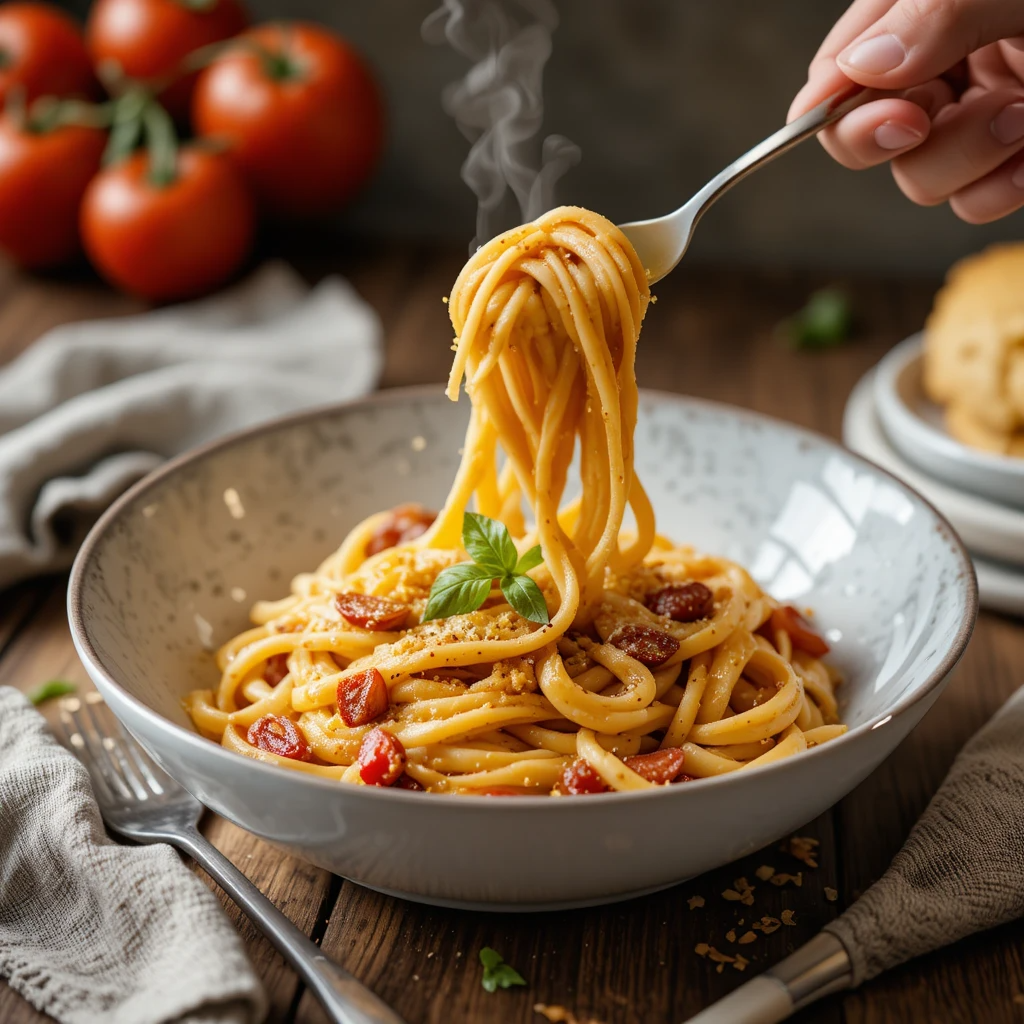

Pasta is one of the world’s most popular comfort foods, but achieving perfectly cooked pasta is more than simply boiling water and tossing in noodles. Whether you’re preparing a quick weeknight dinner, a family feast, or an elegant Italian-inspired meal, understanding how to cook pasta correctly can dramatically improve flavor, texture, and overall dining satisfaction.
Many home cooks unknowingly make mistakes that result in sticky, mushy, bland, or unevenly cooked pasta. The good news is that mastering this essential kitchen skill is surprisingly simple once you understand a few core principles. This comprehensive guide explores everything you need to know about how to cook pasta, from selecting the right pasta shape to achieving ideal al dente texture and pairing pasta with sauces like a professional chef.
Why Proper Pasta Cooking Matters
Cooking pasta correctly affects texture, flavor absorption, and the overall quality of a dish. Even premium ingredients can be undermined by poorly cooked noodles that are overdone or undercooked.
When pasta reaches the ideal texture, it provides slight resistance when bitten while remaining tender throughout. This balance creates a satisfying eating experience and allows sauces to cling effectively rather than sliding off the surface.
Understanding Different Types of Pasta
Pasta comes in hundreds of shapes, sizes, and formulations, each designed for specific culinary purposes. Long pasta varieties such as spaghetti, linguine, and fettuccine pair well with lighter sauces and oil-based preparations.
Short pasta shapes like penne, rigatoni, and fusilli feature ridges, tubes, or spirals that capture chunky sauces. Specialty options including fresh pasta, whole wheat pasta, gluten-free pasta, and stuffed varieties require slightly different cooking approaches.
Essential Equipment for Cooking Pasta
One of the most overlooked aspects of pasta preparation is using the proper cookware. A large pot allows pasta to move freely during cooking, reducing sticking and promoting even hydration.
You’ll also benefit from a colander, tongs, a pasta spoon, and a timer. While these tools are simple, they help ensure consistency and prevent common cooking errors.
Choosing the Right Pasta Shape
Different pasta shapes are designed to complement specific ingredients and sauce consistencies. Thin strands such as angel hair work beautifully with delicate sauces, while thicker shapes handle rich and hearty preparations.
Matching shape to sauce improves flavor distribution and creates a more cohesive dish. Understanding these pairings can instantly elevate home-cooked meals.
Water-to-Pasta Ratio Explained
A generous amount of water is essential when learning how to cook pasta properly. Too little water lowers temperature rapidly and increases the chance of pasta sticking together.
A common guideline is approximately four to six quarts of water per pound of dried pasta. This provides sufficient space for noodles to expand and cook evenly.
The Importance of Salted Water
Salted water is often called the first seasoning layer of pasta. Because pasta absorbs water while cooking, seasoning the water helps improve flavor throughout the noodle itself.
Many chefs recommend water that tastes pleasantly salty rather than overwhelmingly briny. This simple step creates noticeably better results than relying solely on sauce for seasoning.
Bringing Water to a Rolling Boil
Patience matters before adding pasta. Water should reach a vigorous rolling boil to ensure immediate and even cooking once noodles enter the pot.
Adding pasta too early can result in uneven texture and increased sticking. Waiting for a full boil helps maintain temperature stability throughout cooking.
How to Add Pasta Correctly
Once the water boils, add pasta gradually while stirring immediately. This prevents strands or shapes from clumping together as they begin absorbing water.
Long pasta can be gently pressed into the pot as it softens. Within a minute, it will become flexible enough to submerge completely without breaking.
Stirring During Cooking
Frequent stirring during the first two minutes is particularly important. This is when starches are most active and most likely to cause noodles to stick.
After the initial period, occasional stirring is sufficient. Consistent movement helps maintain separation and ensures even cooking.
Understanding Al Dente Texture
The term “al dente” translates to “to the tooth” and describes pasta that remains slightly firm when bitten. This texture is widely considered the gold standard for pasta preparation.
Al dente pasta provides better mouthfeel and holds up more effectively when mixed with sauce. It also avoids the mushy texture associated with overcooked noodles.
Typical Pasta Cooking Times
Cooking times vary according to shape, thickness, and ingredients. Thin pasta generally cooks faster than thicker varieties, while fresh pasta cooks significantly faster than dried pasta.
Package directions offer a useful starting point, but tasting remains the most reliable method for determining doneness. Every cooking environment differs slightly.
Pasta Cooking Time Reference Table
| Pasta Type | Typical Cook Time | Texture Goal | Best Sauce Pairings |
| Angel Hair | 3–5 minutes | Tender | Olive oil, light tomato |
| Spaghetti | 8–12 minutes | Al dente | Marinara, meat sauce |
| Linguine | 9–13 minutes | Al dente | Seafood sauces |
| Penne | 10–13 minutes | Firm | Cream sauces, baked dishes |
| Rigatoni | 11–14 minutes | Firm | Chunky meat sauces |
| Fusilli | 9–12 minutes | Al dente | Pesto, vegetable sauces |
| Fresh Pasta | 2–5 minutes | Tender | Butter sauces, cream sauces |
| Whole Wheat Pasta | 9–13 minutes | Slightly firm | Robust sauces |
Testing Pasta for Doneness
Rather than relying entirely on the clock, remove a piece and taste it. The center should be cooked through while retaining slight firmness.
Visual cues can help, but tasting remains the most accurate way to determine readiness. Professional chefs consistently use this method.
Saving Pasta Water
One of the most valuable techniques in Italian cooking involves reserving some pasta cooking water before draining. This starchy liquid helps create silky, cohesive sauces.
Adding small amounts to sauce improves texture and helps ingredients bind together naturally. Many restaurant-quality pasta dishes rely on this simple trick.
Draining Pasta Properly
Once pasta reaches the desired texture, drain it promptly to prevent carryover cooking. Delaying even a few minutes can result in overcooked noodles.
A colander works best for most varieties, though delicate fresh pasta may require gentler handling to maintain structure.
Should You Rinse Pasta?
In most cases, rinsing pasta is unnecessary and often undesirable. Rinsing removes surface starches that help sauces adhere effectively.
Exceptions include pasta intended for cold salads or recipes where cooking must stop immediately. Otherwise, draining without rinsing typically yields superior results.
Mixing Pasta with Sauce
The best pasta dishes are created by combining pasta and sauce together before serving. This allows noodles to absorb flavor and distribute ingredients evenly.
Rather than placing sauce on top afterward, toss everything together in a pan. The result is a more integrated and flavorful meal.
Common Pasta Cooking Mistakes
Many cooks use too little water, skip seasoning, or fail to stir during the initial cooking phase. These mistakes often lead to sticking and uneven texture.
Another frequent error involves overcooking pasta until it becomes soft and bloated. Monitoring texture closely helps prevent this issue.
Cooking Fresh Pasta
Fresh pasta differs significantly from dried varieties because of its higher moisture content. It generally cooks within just a few minutes.
Careful attention is important because fresh pasta can transition from perfectly cooked to overdone very quickly. Frequent testing is recommended.
Cooking Whole Wheat Pasta
Whole wheat pasta offers additional fiber and nutrients while providing a nuttier flavor profile. Its cooking behavior differs slightly from traditional pasta.
Many varieties benefit from careful timing because they can become overly soft if left in boiling water too long. Taste-testing remains essential.
Cooking Gluten-Free Pasta
Gluten-free pasta has improved dramatically in recent years and is available in numerous formulations. Rice, corn, chickpea, and lentil varieties are common options.
These products may require gentler handling because some break apart more easily than wheat-based pasta. Following package guidance while monitoring texture helps ensure success.
How Altitude Affects Pasta Cooking
At higher elevations, water boils at lower temperatures. As a result, pasta may require additional cooking time compared with sea-level preparation.
Home cooks living in mountainous regions often need to adjust timing and rely heavily on tasting rather than package recommendations.
Pairing Pasta Shapes with Sauces
Thin sauces generally pair best with long strands because they coat evenly without overwhelming the pasta. Olive oil sauces and simple tomato sauces are excellent examples.
Chunkier preparations work better with ridged or tubular shapes that trap ingredients and create balanced bites throughout the dish.
Pasta and Nutrition
Pasta can fit comfortably into a balanced diet when paired with vegetables, lean proteins, and healthy fats. Portion awareness often matters more than avoiding pasta altogether.
Modern consumers also have access to high-protein, whole grain, and legume-based alternatives that provide additional nutritional benefits.
The Role of Tradition in Pasta Cooking
Italian culinary traditions have shaped many of the best practices used worldwide today. Techniques developed over generations continue to influence modern kitchens.
As celebrated Italian chef Marcella Hazan famously noted, “The less a sauce does to the pasta, the better.” This highlights the importance of allowing well-cooked pasta to remain the star of the dish.
Building Confidence in the Kitchen
Learning how to cook pasta is one of the most valuable foundational cooking skills. Once mastered, it opens the door to countless recipes and culinary styles.
Confidence grows through repetition and experimentation. Each batch provides opportunities to refine timing, seasoning, and sauce combinations.
Conclusion
Mastering how to cook pasta is not about complicated techniques or expensive equipment. Success comes from understanding a few essential principles: using plenty of water, seasoning generously, maintaining a rolling boil, stirring appropriately, testing for doneness, and pairing pasta thoughtfully with sauces.
Whether you’re preparing classic spaghetti, hearty rigatoni, delicate fresh pasta, or modern gluten-free alternatives, these techniques create consistently excellent results. With practice, you’ll develop the intuition and confidence needed to cook pasta perfectly every time, transforming a simple pantry staple into a memorable meal.
FAQ
How long does it take to cook pasta?
The exact timing depends on the pasta shape and thickness. Most dried pasta cooks in 8–14 minutes, but tasting remains the best way to determine when how to cook pasta has been executed correctly.
Should I add oil to pasta water?
Generally, no. Oil can reduce sauce adhesion and is unnecessary when using enough water and stirring properly during cooking.
Why is my pasta sticking together?
Pasta usually sticks because there is too little water, insufficient stirring, or delayed draining. Understanding how to cook pasta properly helps eliminate this problem.
Can I cook pasta ahead of time?
Yes. Slightly undercook the pasta, cool it quickly, and store it properly. Reheat it briefly in sauce or boiling water before serving.
What does al dente mean?
Al dente refers to pasta that remains slightly firm when bitten. It is widely considered the ideal texture when learning how to cook pasta.
Should pasta be rinsed after cooking?
For most hot dishes, no. Rinsing removes starches that help sauce cling to the pasta and can reduce flavor integration.
Is fresh pasta better than dried pasta?
Neither is universally better. Fresh pasta offers a delicate texture, while dried pasta often provides superior structure for many sauces and longer cooking applications.
How much salt should I add to pasta water?
A generous amount is recommended so the water tastes pleasantly seasoned. Properly salted water enhances flavor throughout the pasta itself.
You May Also Read : Toriah Lachell