
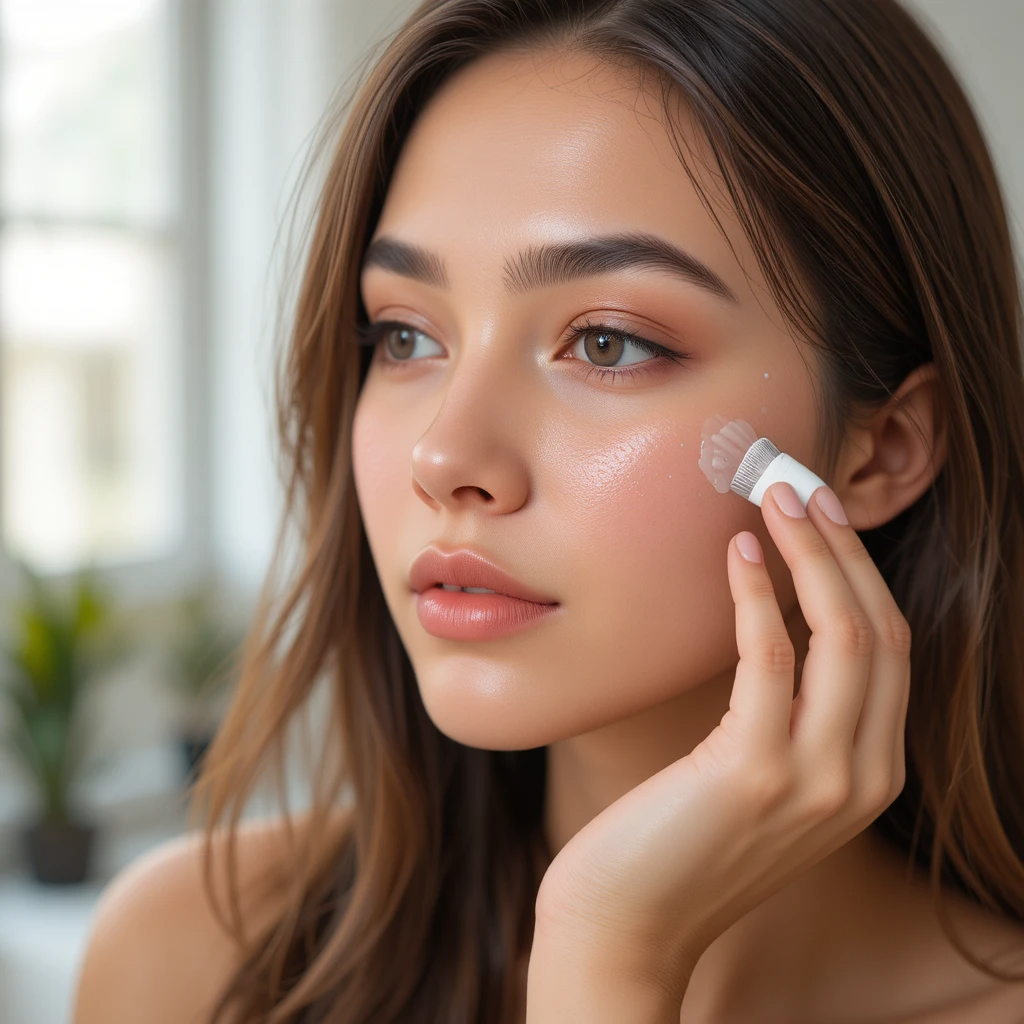

Smooth, radiant skin has become one of the most sought-after beauty goals, and dermaplaning is one of the simplest ways to achieve it. Once reserved for dermatology offices and medical spas, this exfoliation technique is now widely available through at-home tools designed for beginners and skincare enthusiasts alike.
Learning how to dermaplane at home can help remove dead skin cells, peach fuzz, and surface debris that may dull the complexion. When performed correctly, dermaplaning can improve skin texture, enhance product absorption, and create a smoother canvas for makeup application. This comprehensive guide explains everything you need to know, from preparation and technique to safety considerations and long-term maintenance.
What Is Dermaplaning?
Dermaplaning is a physical exfoliation method that uses a sterile blade to gently scrape away dead skin cells and fine facial hair from the skin’s surface. Unlike chemical exfoliants that rely on acids or enzymes, dermaplaning provides immediate results through manual exfoliation.
The procedure has gained popularity because it offers smoother skin without significant downtime. While professional treatments are performed by licensed practitioners, many people now choose to learn how to dermaplane at home using specially designed facial razors and dermaplaning tools.
Why People Choose Dermaplaning
One of the biggest benefits of dermaplaning is the instant improvement in skin texture. Many users notice their skin feels softer and appears brighter immediately after treatment, making it a favorite before special occasions or photo shoots.
Another reason for its popularity is improved skincare performance. Removing the layer of dead skin cells can allow serums, moisturizers, and other products to penetrate more effectively, potentially maximizing their benefits over time.
Understanding Peach Fuzz and Facial Hair
The fine, soft facial hair removed during dermaplaning is known as vellus hair, commonly called peach fuzz. This hair is naturally present on most areas of the face and plays a role in temperature regulation and skin protection.
A common misconception is that dermaplaning causes hair to grow back thicker or darker. In reality, removing vellus hair does not alter its growth pattern, color, or density because the hair follicle remains unchanged beneath the skin.
Is Dermaplaning Safe at Home?
For many people, dermaplaning can be safely performed at home when proper tools and techniques are used. The key is working gently and avoiding excessive pressure that could irritate or damage the skin.
However, individuals with active acne, open wounds, severe rosacea, eczema flare-ups, or certain skin conditions should consult a dermatologist before attempting dermaplaning. Skin health should always take priority over cosmetic goals.
Benefits of Learning How to Dermaplane at Home
At-home dermaplaning offers convenience and affordability compared to professional treatments. Instead of scheduling appointments, users can incorporate the process into their existing skincare routine whenever needed.
Many people also appreciate the control that comes with performing the treatment themselves. By understanding how to dermaplane at home properly, users can customize frequency and technique according to their skin’s unique needs.
Potential Risks and Considerations
Although dermaplaning is generally low risk, improper technique can cause minor cuts, redness, irritation, or increased sensitivity. Using dull blades or excessive pressure increases these risks significantly.
Over-exfoliation is another concern. Combining frequent dermaplaning with strong acids, retinoids, or aggressive scrubs may compromise the skin barrier and lead to inflammation or discomfort.
Choosing the Right Dermaplaning Tool
Selecting the appropriate tool is one of the most important steps in achieving safe and effective results. Modern at-home dermaplaning devices typically feature small guarded blades specifically designed for facial use.
Avoid using standard body razors or improvised blades on facial skin. Purpose-built dermaplaning tools offer greater precision, improved safety, and better control during the exfoliation process.
Dermaplaning Tools Comparison
| Tool Type | Best For | Advantages | Considerations |
| Disposable Dermaplaning Razor | Beginners | Affordable, easy to use | Requires regular replacement |
| Professional-Style Facial Razor | Experienced Users | Precise results | Requires steady technique |
| Electric Dermaplaning Device | Convenience | Consistent performance | Higher cost |
| Single-Blade Safety Tool | Advanced Users | Close exfoliation | Greater learning curve |
| Dermatologist Treatment | Maximum Results | Professional expertise | Higher expense |
Preparing Your Skin Before Dermaplaning
Proper preparation significantly reduces the likelihood of irritation. Begin by thoroughly cleansing your face with a gentle cleanser to remove makeup, sunscreen, oil, and environmental debris.
After cleansing, ensure the skin is completely dry unless your specific tool instructions recommend otherwise. Dry skin often allows better visibility and control during the dermaplaning process.
Essential Hygiene Practices
Cleanliness is critical when learning how to dermaplane at home. Always wash your hands thoroughly before touching your face or handling dermaplaning equipment.
Use a fresh or properly sanitized blade for every session. Dirty tools can introduce bacteria, increasing the risk of irritation, breakouts, or infection.
Step-by-Step Guide to Dermaplaning at Home
Start by pulling the skin taut with one hand while holding the dermaplaning tool at approximately a 45-degree angle. Use short, controlled strokes moving downward in the direction of hair growth.
Work slowly across different sections of the face, including the cheeks, forehead, jawline, and upper lip. Avoid rushing, and frequently wipe away accumulated dead skin and hair from the blade.
Areas to Avoid During Dermaplaning
Certain facial areas require extra caution because the skin is thinner or more sensitive. The eyelids, under-eye region, and areas with active irritation should generally be avoided.
You should also avoid moles, raised lesions, inflamed acne, sunburned skin, and any area that appears compromised. When in doubt, skip the area and seek professional advice.
How Much Pressure Should You Use?
One of the most common beginner mistakes is pressing too hard. Effective dermaplaning relies on blade angle and controlled movement rather than force.
Imagine lightly brushing dust from a delicate surface. Gentle pressure is typically sufficient to remove dead skin cells and peach fuzz while minimizing the risk of redness or abrasion.
Common Mistakes Beginners Make
Many first-time users repeat passes over the same area excessively, believing more scraping produces better results. In reality, repeated passes can increase irritation and compromise the skin barrier.
Another frequent mistake is dermaplaning immediately before using strong active ingredients. Freshly exfoliated skin may react more intensely to potent products such as retinoids and exfoliating acids.
What to Expect Immediately After Dermaplaning
After treatment, most people notice smoother skin, improved brightness, and a more even texture. Makeup often applies more evenly because facial hair and dead skin have been removed.
Mild redness may occur, particularly in individuals with sensitive skin. This typically resolves within a few hours when proper technique and aftercare are followed.
Post-Dermaplaning Skincare Routine
After dermaplaning, focus on hydration and barrier support. Gentle moisturizers containing ingredients such as ceramides, glycerin, or hyaluronic acid can help maintain comfort and hydration.
Avoid harsh exfoliants, retinoids, and strong acids for at least 24 to 48 hours if your skin feels sensitive. Allowing the skin barrier to recover promotes optimal results.
The Importance of Sunscreen
Freshly exfoliated skin can be more vulnerable to ultraviolet exposure. Daily sunscreen use becomes even more important after dermaplaning sessions.
Choose a broad-spectrum sunscreen with SPF 30 or higher and apply it generously. Consistent sun protection helps preserve skin health and supports long-term skincare goals.
How Often Should You Dermaplane?
Most skincare professionals recommend dermaplaning every three to four weeks. This schedule generally aligns with the skin’s natural renewal cycle and reduces the risk of over-exfoliation.
Individual needs vary depending on skin type, sensitivity, and personal preferences. Monitoring how your skin responds can help determine the ideal frequency for your routine.
Dermaplaning for Different Skin Types
People with normal, combination, or mildly oily skin often tolerate dermaplaning well when performed correctly. These skin types typically experience noticeable improvements in smoothness and radiance.
Those with highly sensitive or reactive skin should proceed cautiously and perform a patch test when possible. A gradual approach can help minimize adverse reactions.
Can Dermaplaning Help With Acne Scars?
Dermaplaning may improve the appearance of superficial texture irregularities by removing surface debris and dead skin cells. This can create a smoother overall look and enhance skin luminosity.
However, deeper acne scars originate below the skin’s surface and generally require treatments such as microneedling, laser therapy, or professional dermatological procedures for significant improvement.
Dermaplaning and Makeup Application
Many makeup artists appreciate dermaplaned skin because foundation and complexion products often glide on more evenly. The absence of peach fuzz can reduce texture visibility under certain lighting conditions.
This smoother canvas can be especially beneficial for high-definition photography, video appearances, or events where flawless makeup application is desired.
Dermaplaning vs Chemical Exfoliation
Dermaplaning physically removes dead skin cells and facial hair, while chemical exfoliation uses ingredients such as AHAs, BHAs, or enzymes to dissolve cellular buildup. Both methods aim to improve skin texture and brightness.
Some people alternate between the two approaches rather than combining them simultaneously. Strategic scheduling can help prevent irritation while maximizing skincare benefits.
Dermaplaning vs Shaving
Although both involve blades, dermaplaning and shaving serve different purposes. Traditional shaving primarily focuses on hair removal, whereas dermaplaning emphasizes exfoliation alongside hair removal.
Specialized dermaplaning tools are designed for delicate facial skin and often provide more precise control than standard shaving equipment.
Signs You Should Stop Dermaplaning
Persistent redness, burning sensations, increased breakouts, or excessive sensitivity may indicate that dermaplaning is not suitable for your skin or is being performed too frequently.
Listening to your skin is essential. If negative symptoms continue despite adjustments, consulting a dermatologist can help identify alternative exfoliation options.
Professional Treatments vs DIY Approaches
Professional dermaplaning treatments are performed by trained practitioners using medical-grade tools and protocols. These treatments often include complementary skincare procedures and personalized recommendations.
At-home methods offer greater convenience and lower costs. Understanding how to dermaplane at home effectively allows many users to enjoy meaningful results without frequent professional appointments.
Expert Perspective on Consistency
As many skincare professionals emphasize, “Healthy skin is built through consistent habits, not occasional intensive treatments.” This principle applies directly to dermaplaning and skincare overall.
Regular cleansing, hydration, sun protection, and thoughtful exfoliation typically deliver better long-term outcomes than aggressive or inconsistent routines.
Creating a Sustainable Dermaplaning Routine
Successful skincare routines are realistic, repeatable, and tailored to individual needs. Incorporating dermaplaning thoughtfully into a broader skincare plan often produces the best results.
Rather than chasing perfection, focus on maintaining healthy skin habits that support long-term skin resilience, comfort, and appearance.
Conclusion
Learning how to dermaplane at home can be an effective way to achieve smoother, brighter-looking skin while enhancing the performance of your skincare products. With proper preparation, quality tools, gentle technique, and consistent aftercare, many people can safely incorporate dermaplaning into their beauty routines.
The key is balancing enthusiasm with caution. Respect your skin’s limits, prioritize hygiene, avoid over-exfoliation, and maintain diligent sun protection. When performed correctly, dermaplaning can become a valuable addition to a comprehensive skincare regimen that supports healthy, radiant skin over time.
FAQ
Does dermaplaning make facial hair grow back thicker?
No. When learning how to dermaplane at home, it is important to understand that dermaplaning does not change hair thickness, color, or growth rate.
How often should I dermaplane my face?
Most people can safely practice how to dermaplane at home every three to four weeks, depending on skin sensitivity and personal preferences.
Can I dermaplane if I have acne?
Active acne lesions should generally be avoided because dermaplaning can irritate inflamed areas and potentially spread bacteria across the skin.
Should I use oil when dermaplaning?
Many at-home dermaplaning tools are designed for dry skin use, but some products recommend oil. Always follow the manufacturer’s instructions.
Can I wear makeup after dermaplaning?
Yes, but many experts recommend waiting several hours if your skin feels sensitive. Freshly dermaplaned skin often provides a smoother makeup base.
Is dermaplaning better than chemical exfoliation?
Neither method is universally better. How to dermaplane at home focuses on physical exfoliation, while chemical exfoliation uses active ingredients to dissolve dead skin cells.
What should I avoid after dermaplaning?
Avoid strong acids, retinoids, harsh scrubs, excessive heat exposure, and direct sun without sunscreen for at least 24 to 48 hours after treatment.
You May Also Read : Grilled Salmon Marinade