
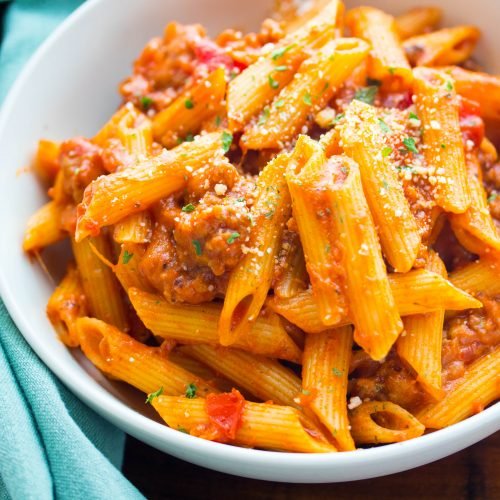

Pasta is one of the world’s most beloved comfort foods, but few shapes are as versatile and practical as penne pasta. Recognizable by its tube-shaped structure and angled ends, this Italian staple has become a favorite in home kitchens, restaurants, and professional culinary settings alike.
Whether you’re preparing a quick weeknight dinner, creating a sophisticated baked dish, or exploring authentic Italian cuisine, understanding how to use penne effectively can dramatically improve your cooking. This comprehensive guide explores its history, varieties, cooking methods, nutritional value, recipe applications, and expert techniques that help transform simple ingredients into memorable meals.
What Is Penne Pasta?
Penne is a cylindrical pasta shape characterized by diagonally cut ends that resemble the tip of a fountain pen. The name comes from the Italian word “penne,” meaning “quills” or “pens,” reflecting its distinctive appearance.
The hollow center and ridged or smooth exterior make this pasta exceptionally effective at capturing sauces. Unlike flatter pasta varieties, the tubular structure creates multiple surfaces where ingredients can cling, delivering flavor in every bite. This unique design explains why penne remains one of the most widely used pasta shapes across diverse culinary traditions.
The History and Origins of Penne
The development of penne traces back to Italy, where pasta makers continuously refined shapes to improve texture, presentation, and sauce compatibility. The angled-cut design represented an innovation that combined practicality with visual appeal.
As Italian immigrants introduced regional cuisines around the world, penne gained international popularity. Its adaptability made it suitable for everything from traditional Italian recipes to contemporary fusion dishes, helping it become a global pantry staple.
Why Penne Became So Popular Worldwide
One reason for the enduring popularity of penne is its remarkable versatility. It works equally well with tomato sauces, cream sauces, vegetable-based preparations, meat ragùs, and baked casseroles.
Another factor is convenience. The shape cooks relatively quickly, maintains structural integrity, and performs consistently in both casual and professional kitchens. These qualities have helped penne become a trusted choice for cooks of all experience levels.
Types of Penne and Their Differences
The two most common varieties are penne rigate and penne lisce. Penne rigate features ridges along the surface, while penne lisce has a smooth exterior.
The ridged version generally holds thicker sauces more effectively, whereas smooth penne offers a silkier texture and is often preferred in certain traditional Italian preparations. Both options provide excellent results, with the choice largely depending on personal preference and recipe requirements.
Understanding Penne Rigate vs. Penne Lisce
Penne rigate excels when paired with chunky vegetable sauces, meat sauces, and creamy preparations. The grooves increase surface area, helping ingredients adhere more effectively throughout the dish.
Penne lisce creates a more refined mouthfeel and allows sauces to coat the pasta evenly. While some cooks debate which version is superior, each serves a specific culinary purpose and can elevate different recipes.
Characteristics That Make Penne Unique
The angled ends create visual interest while also improving the eating experience. These openings allow sauce to enter the tubes, ensuring balanced flavor distribution.
Its medium size strikes an ideal balance between delicate and substantial. Penne can stand up to robust ingredients while remaining approachable and easy to incorporate into countless recipes.
How Penne Pasta Is Traditionally Made
Traditional pasta production begins with durum wheat semolina and water. The dough is mixed, kneaded, and pushed through specially designed dies that create the familiar tubular shape.
After extrusion, the pasta is cut diagonally and dried under controlled conditions. Modern manufacturers carefully regulate temperature and humidity to preserve texture, flavor, and cooking performance.
Fresh Versus Dried Penne
Fresh pasta offers a softer texture and cooks rapidly, making it ideal for delicate sauces and lighter preparations. Its tender consistency can create an elegant dining experience.
Dried pasta provides greater convenience, longer shelf life, and more predictable cooking behavior. Most commercially available penne falls into this category, making it the preferred option for everyday cooking.
Nutritional Profile of Penne Pasta
Penne primarily provides complex carbohydrates, which serve as a valuable source of sustained energy. It also contains moderate amounts of protein, especially when produced from high-quality durum wheat.
The exact nutritional composition varies depending on ingredients and serving size. Whole-wheat, protein-enriched, and specialty varieties may offer additional fiber, vitamins, or minerals compared to traditional versions.
Nutrition Comparison Table
| Type | Calories (Per 100g Cooked) | Protein | Fiber | Best Use |
| Traditional Penne | 157 | 5.8g | 1.8g | Everyday meals |
| Whole Wheat Penne | 149 | 6.2g | 4.5g | High-fiber diets |
| Protein-Enriched Penne | 170 | 12–20g | 3–5g | Fitness-focused meals |
| Gluten-Free Penne | 145–170 | 3–6g | 2–4g | Gluten-free diets |
| Legume-Based Penne | 180 | 13–22g | 7–10g | Plant-based nutrition |
Whole Wheat and Alternative Penne Options
Health-conscious consumers increasingly choose whole wheat varieties because they provide more fiber and a slower digestion rate. These benefits can contribute to greater satiety and balanced energy levels.
Alternative options made from chickpeas, lentils, quinoa, or rice have also expanded consumer choice. These products cater to dietary preferences while maintaining the familiar shape and versatility of traditional penne.
How to Cook Penne Perfectly Every Time
Successful pasta preparation begins with a large pot of generously salted water. Adequate water circulation prevents sticking and promotes even cooking.
Timing is equally important. Following package guidelines while testing for texture near the end of cooking helps achieve ideal results. The goal is typically an al dente texture that retains slight firmness at the center.
Common Cooking Mistakes to Avoid
Overcooking remains the most frequent error. Excessively soft pasta loses structure and can become mushy when combined with sauce or baked in casseroles.
Another mistake is insufficient seasoning. Since pasta absorbs some salt during cooking, properly seasoned water contributes significantly to the final flavor profile of the dish.
Choosing the Right Sauce for Penne
One of the greatest strengths of penne lies in its compatibility with a wide variety of sauces. Its hollow shape captures liquids and small ingredients exceptionally well.
Tomato-based sauces, creamy Alfredo-style preparations, pesto, vodka sauce, and vegetable purées all pair beautifully with this versatile pasta shape. The best choice depends on the desired flavor profile and dining occasion.
Tomato-Based Sauces and Penne
Rich tomato sauces complement the sturdy texture of penne by providing acidity, sweetness, and depth. The pasta’s hollow center traps sauce, creating a balanced bite from start to finish.
Classic combinations often include garlic, basil, olive oil, onions, and Parmesan cheese. These ingredients create timeless dishes that remain popular across generations.
Creamy Sauces and Rich Preparations
Cream-based sauces offer luxurious texture and richness that pair naturally with tubular pasta. The sauce coats both the exterior and interior surfaces for maximum flavor impact.
Popular examples include vodka sauce, mushroom cream sauce, and cheese-based preparations. These dishes often showcase the pasta’s ability to hold heavier ingredients without becoming overwhelmed.
Best Proteins to Pair With Penne
Chicken, shrimp, sausage, beef, and seafood all integrate well with penne-based dishes. The shape accommodates protein-rich recipes without sacrificing balance or texture.
Vegetarian proteins such as beans, lentils, tofu, and tempeh also work exceptionally well. These options create satisfying meals that appeal to a broad range of dietary preferences.
Vegetables That Complement Penne Dishes
Vegetables add color, nutrition, and textural contrast to pasta recipes. Popular choices include spinach, zucchini, mushrooms, broccoli, bell peppers, and cherry tomatoes.
Seasonal produce can significantly enhance flavor while keeping meals fresh and diverse throughout the year. Combining multiple vegetables often creates more complexity and visual appeal.
Penne in Baked Pasta Recipes
Baked pasta dishes represent one of the most beloved applications for penne. The sturdy structure withstands prolonged cooking while maintaining a pleasing texture.
Layers of sauce, cheese, vegetables, and protein transform simple ingredients into comforting meals suitable for family dinners, gatherings, and meal preparation strategies.
Popular Penne Recipes Around the World
Many international cuisines have adopted penne and adapted it to local tastes. From spicy Mediterranean interpretations to creamy American comfort-food variations, the possibilities are extensive.
Regional creativity demonstrates the pasta’s adaptability. Chefs and home cooks alike continue developing innovative recipes that showcase familiar ingredients in new and exciting ways.
Penne Pasta in Modern Food Trends
Contemporary consumers increasingly seek meals that balance convenience, nutrition, and flavor. Penne fits naturally into this trend because it can support diverse dietary goals and culinary styles.
Meal-prep culture, plant-based eating, and protein-focused nutrition have further expanded its relevance. Manufacturers now offer specialized varieties designed for evolving consumer preferences.
The Role of Penne in Family Meals
Family dinners often require dishes that are affordable, satisfying, and easy to prepare. Penne consistently meets these requirements while appealing to both children and adults.
Its adaptability also simplifies meal planning. A single pasta shape can support countless flavor combinations, helping households avoid repetition while maintaining convenience.
Restaurant Applications and Culinary Uses
Professional chefs value penne because it performs reliably under demanding service conditions. Its structure remains intact during holding periods and repeated handling.
Restaurants frequently feature it in menu items ranging from casual comfort foods to upscale Italian-inspired creations. This versatility contributes to its enduring commercial popularity.
Storage and Shelf-Life Best Practices
Dried pasta should be stored in a cool, dry environment away from moisture and direct sunlight. Proper storage helps maintain texture, flavor, and cooking performance over time.
Cooked pasta can be refrigerated in airtight containers for several days. Tossing it lightly with oil before storage may reduce sticking and improve reheating results.
How to Reheat Penne Without Losing Quality
Gentle reheating methods preserve texture more effectively than excessive heat. Adding a small amount of water, broth, or sauce can restore moisture during warming.
Stovetop reheating often provides superior results because it allows better control over temperature. This approach helps maintain consistency while preventing dryness.
Sustainability and Pasta Production
Modern pasta manufacturers increasingly focus on sustainable agriculture, responsible sourcing, and efficient production practices. These efforts respond to growing consumer interest in environmental stewardship.
Durum wheat cultivation can be highly efficient when managed responsibly. Advances in packaging, transportation, and processing continue improving the sustainability profile of pasta products worldwide.
Expert Tips for Elevating Penne Dishes
Many cooks underestimate the importance of finishing pasta in the sauce. Allowing the ingredients to cook together briefly enhances flavor integration and creates a more cohesive dish.
As renowned Italian chef Massimo Bottura once noted, “The secret ingredient is always love.” Beyond technique, thoughtful ingredient selection and attention to detail often make the greatest difference in the final result.
Common Misconceptions About Penne
Some people assume all pasta shapes perform identically. In reality, shape significantly influences texture, sauce retention, and overall dining experience.
Another misconception is that pasta cannot fit into a balanced diet. When paired with vegetables, lean proteins, and appropriate portions, it can contribute to nutritious and satisfying meals.
How to Build a Balanced Meal With Penne
A well-rounded pasta meal combines carbohydrates, protein, healthy fats, and vegetables. This approach improves nutritional balance while creating a more satisfying dining experience.
For example, combining pasta with grilled chicken, roasted vegetables, olive oil, and herbs delivers flavor, texture, and nutritional diversity without unnecessary complexity.
Why Penne Continues to Stand the Test of Time
Food trends come and go, yet certain ingredients remain consistently relevant because they offer exceptional functionality. Penne continues to thrive because it combines convenience, versatility, and reliable performance.
Its ability to adapt to changing dietary preferences, culinary innovations, and cultural influences ensures ongoing popularity. Few pasta shapes have demonstrated such lasting global appeal.
Conclusion
Penne pasta has earned its place as one of the most versatile and widely appreciated pasta shapes in the world. From its distinctive angled design and excellent sauce-holding capabilities to its adaptability across cuisines, it offers remarkable flexibility for cooks at every skill level.
Whether used in classic Italian recipes, hearty baked dishes, modern plant-based meals, or restaurant-quality creations, penne pasta consistently delivers satisfying results. By understanding its history, nutritional value, cooking techniques, and ideal pairings, you can make the most of this culinary staple and create meals that are both delicious and memorable.
FAQ
What is penne pasta made from?
Traditional penne pasta is made from durum wheat semolina and water, creating a firm texture that holds sauces exceptionally well.
Is penne pasta healthy?
Penne pasta can be part of a balanced diet when paired with vegetables, lean proteins, and appropriate portion sizes.
What sauce works best with penne pasta?
Penne pasta pairs particularly well with tomato sauces, cream sauces, pesto, vodka sauce, and hearty vegetable-based preparations.
How long should penne pasta be cooked?
Most penne pasta varieties cook in approximately 10 to 13 minutes, though exact times vary by brand and desired texture.
Can penne pasta be used in baked dishes?
Yes, penne pasta is one of the best choices for baked recipes because it maintains its structure and absorbs flavors effectively.
What is the difference between penne rigate and penne lisce?
Penne rigate has ridges that help sauces cling to the surface, while penne lisce is smooth and offers a slightly different texture.
Can penne pasta be prepared ahead of time?
Yes, penne pasta can be cooked, refrigerated, and reheated later, making it ideal for meal prep and busy schedules.
You May Also Read : How to Make Oat Milk at Home