

Tequila has evolved from a simple party drink into one of the world’s most respected spirits. Today, enthusiasts, bartenders, and collectors seek the best tequila for sipping, cocktails, celebrations, and special occasions. With hundreds of brands available, understanding what separates an average bottle from an exceptional one can dramatically improve your drinking experience.
Whether you are exploring tequila for the first time or expanding an existing collection, this guide covers everything you need to know. From production methods and aging categories to tasting notes and buying recommendations, you’ll discover how to identify quality bottles and choose the right tequila for your preferences and budget.
What Makes a Tequila Truly Exceptional?
The foundation of great tequila begins with blue agave and careful artisanal production methods. Premium producers allow agave plants to mature for years before harvesting, ensuring maximum sweetness and complexity. The quality of raw materials directly influences aroma, flavor, and overall character.
The best expressions also prioritize traditional techniques, skilled distillation, and thoughtful aging. Factors such as terroir, fermentation practices, and barrel selection contribute to a tequila’s unique profile. These details often distinguish premium bottles from mass-produced alternatives.
Understanding Tequila Categories
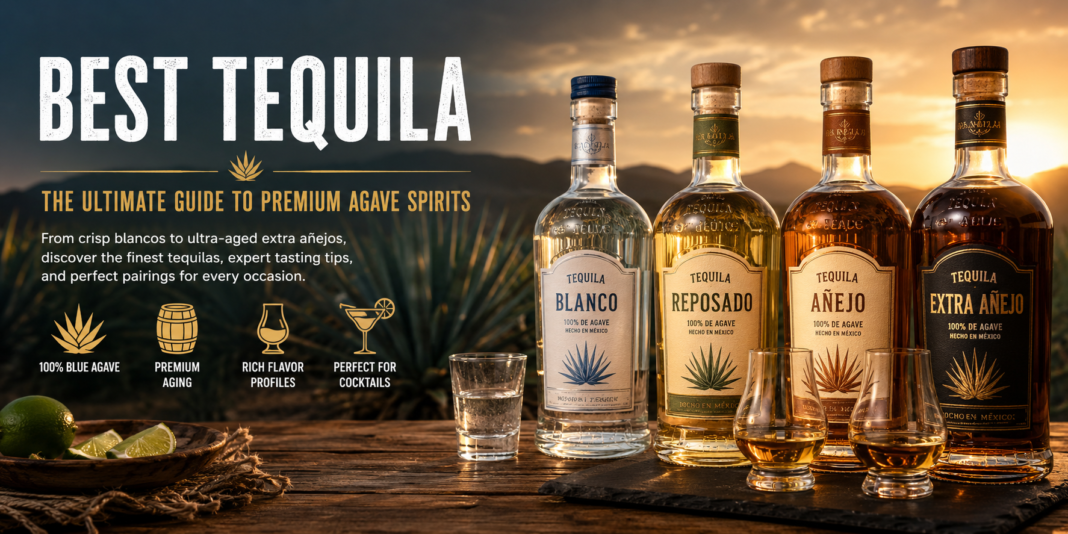
Tequila is classified according to aging requirements, creating distinct flavor experiences. Blanco tequila and silver tequila are typically unaged or minimally aged, highlighting fresh agave notes, citrus, and peppery characteristics. These styles are especially popular in cocktails.
Aged categories include reposado, añejo, and extra añejo. Through oak barrel aging and careful maturation, these tequilas develop vanilla, caramel, spice, and wood influences. Many enthusiasts prefer aged expressions for sipping because of their enhanced complexity and smooth finish.
Why Agave Quality Matters
The quality of agave can determine whether a tequila tastes vibrant or flat. Mature plants often spend six to ten years developing sugars that later become alcohol during fermentation. Premium producers emphasize agave maturity and sustainable harvesting practices.
Growing conditions also influence flavor. Differences in soil composition, altitude, and climate create unique expressions of agave terroir. Similar to wine grapes, agave reflects its environment, contributing distinctive regional characteristics.
The Rise of Premium Tequila
Over the last decade, tequila has experienced remarkable growth among consumers seeking authenticity and craftsmanship. Increased interest in premium spirits and craft distillation has encouraged brands to focus on transparency and quality.
Many drinkers now view tequila as a sophisticated sipping spirit comparable to fine whiskey or cognac. This shift has expanded appreciation for traditional production methods and encouraged exploration across different styles and regions.
Best Tequila Styles Compared
Choosing the best tequila often depends on personal preference and intended use. Some drinkers prioritize fresh agave flavors, while others seek oak-driven complexity. Understanding the strengths of each category simplifies the selection process.
The table below highlights key differences among popular tequila styles.
| Style | Aging Period | Flavor Profile | Best Use |
| Blanco | Unaged or up to 2 months | Fresh agave, citrus, pepper | Cocktails, tasting agave purity |
| Reposado | 2–12 months | Vanilla, spice, light oak | Sipping and cocktails |
| Añejo | 1–3 years | Caramel, chocolate, oak | Premium sipping |
| Extra Añejo | Over 3 years | Rich, complex, luxurious | Collecting and special occasions |
Best Tequila for Cocktails
Cocktail enthusiasts often prefer blancos because they showcase the vibrant character of the agave. Their bright flavors complement ingredients like lime juice, orange liqueur, and fresh fruit. Popular drinks benefit from the clean profile of mixology tequila and cocktail-friendly spirits.
A quality blanco can elevate classics such as Margaritas and Palomas without overwhelming other ingredients. Choosing a tequila made from 100% agave generally results in a more balanced and flavorful cocktail experience.
Best Tequila for Sipping
Sipping tequila emphasizes complexity, aroma, and finish. Reposados and añejos are particularly popular because barrel aging adds layers of vanilla, caramel, and spice. These bottles showcase the artistry of aged tequila and premium maturation.
When enjoying tequila neat, take time to evaluate aroma and flavor progression. Small sips reveal nuances that may include dried fruit, roasted agave, chocolate, pepper, or toasted oak depending on the producer and aging process.
Top Characteristics of Premium Tequila
One hallmark of quality tequila is balance. No single element should dominate the tasting experience. The sweetness of agave, the warmth of alcohol, and the influence of oak should work together harmoniously within a well-balanced spirit and refined flavor profile.
Texture also matters. Exceptional tequila often delivers a smooth mouthfeel with a long finish. Harsh alcohol burn or excessive sweetness may indicate lower quality production methods or additives.
Popular Tequila Flavor Notes
Flavor profiles vary widely depending on production techniques and aging. Common tasting notes include citrus, pepper, herbal elements, and cooked agave. These characteristics frequently appear in traditional tequila flavors and agave-forward spirits.
Aged expressions often introduce vanilla, caramel, cinnamon, chocolate, and toasted oak. Learning to recognize these notes can make tasting more enjoyable and help consumers identify styles they prefer.
How to Taste Tequila Like an Expert
Professional tasting begins with visual evaluation. Observe clarity, color, and viscosity before bringing the glass to your nose. Aromas often reveal significant information about sensory evaluation and spirit assessment.
Take small sips and allow the liquid to coat your palate. Notice the initial flavors, mid-palate development, and finish. This method helps reveal complexity that might otherwise be missed during casual consumption.
Common Myths About Tequila
One common misconception is that all tequila causes severe hangovers. In reality, quality products made from 100% agave and consumed responsibly are often associated with a better experience than lower-quality alternatives containing additives. Understanding tequila misconceptions and spirit quality factors helps consumers make informed choices.
Another myth suggests tequila must be consumed with salt and lime. While this tradition remains popular, premium tequila is frequently enjoyed neat to appreciate its craftsmanship and nuanced flavors.
The Importance of 100% Agave
Labels indicating 100% agave signify that all fermentable sugars originate from blue agave. This distinction generally results in a cleaner and more authentic flavor profile compared to mixed products. Many experts prioritize pure agave tequila and authentic production standards when evaluating quality.
Consumers seeking premium experiences should carefully review labels before purchasing. Bottles made entirely from agave often deliver superior aroma, texture, and overall complexity.
Best Tequila for Beginners
New drinkers often benefit from starting with reposado tequila. The combination of fresh agave character and gentle oak influence creates an approachable experience. These bottles bridge the gap between entry-level tequila and premium sipping spirits.
Beginners should experiment with different styles to identify personal preferences. Sampling flights can reveal whether someone prefers the bright freshness of blancos or the richer profile of aged expressions.
Tequila and Food Pairings
Food pairings can enhance tequila appreciation. Blancos often complement seafood, ceviche, and citrus-based dishes because their bright flavors create refreshing contrast. These combinations highlight culinary pairing techniques and flavor harmony.
Aged tequilas pair exceptionally well with grilled meats, dark chocolate, and aged cheeses. Matching complementary flavors can elevate both the meal and the spirit.
How Production Methods Influence Flavor
Every production step affects the final product. Cooking methods, fermentation practices, and distillation techniques contribute unique characteristics to the spirit. Traditional approaches often emphasize heritage craftsmanship and small-batch production.
Modern technologies can improve efficiency, but many enthusiasts value producers who maintain traditional methods. These techniques often preserve authentic agave character and regional identity.
Tequila Trends Shaping the Industry
Consumer demand continues to drive innovation throughout the tequila industry. Sustainability initiatives, transparency in labeling, and additive-free production have become increasingly important. These developments reflect broader interest in ethical spirits and sustainable distilling.
Collectors and enthusiasts are also exploring rare releases and limited editions. Premiumization has encouraged brands to create distinctive expressions designed for connoisseurs and special occasions.
How Much Should You Spend on Tequila?
Price alone does not determine quality. Excellent bottles exist across multiple price ranges, making it possible to find outstanding options without overspending. Evaluating value-driven tequila and quality-to-price ratio is often more important than focusing solely on cost.
Higher-priced bottles may offer greater complexity, longer aging, or limited availability. However, many mid-range options provide exceptional quality and represent excellent value for everyday enjoyment.
Choosing the Best Tequila for Your Needs
Selecting the best tequila depends on how you plan to enjoy it. Cocktail enthusiasts may prioritize vibrant blancos, while collectors often seek aged expressions with unique barrel influences. Understanding consumer preferences and drinking occasions helps narrow the field.
Consider factors such as flavor profile, budget, and intended use before making a purchase. A thoughtful approach increases the likelihood of finding a bottle that matches your expectations and delivers lasting satisfaction.
Expert Perspective on Tequila Quality
Industry professionals often emphasize authenticity and craftsmanship when discussing exceptional tequila. As one respected distiller noted, “Great tequila begins in the agave field long before it reaches the bottle.”
This perspective highlights the importance of agriculture, patience, and traditional methods. The finest examples consistently demonstrate the value of production integrity and craftsmanship excellence throughout every stage of creation.
Conclusion
Finding the best tequila involves more than selecting the most expensive bottle on the shelf. Quality begins with mature blue agave, careful production methods, thoughtful aging, and a commitment to authenticity. Understanding these factors allows consumers to make informed choices and appreciate tequila on a deeper level.
Whether you prefer a crisp blanco for cocktails, a smooth reposado for versatile enjoyment, or a luxurious extra añejo for sipping, the modern tequila market offers exceptional options for every taste and budget. By focusing on craftsmanship, flavor balance, and personal preference, you can confidently discover the best tequila for any occasion.
FAQ
What is the best tequila for beginners?
The best tequila for beginners is often a quality reposado because it combines fresh agave character with smooth oak influence, making it approachable and easy to enjoy.
Is expensive tequila always the best tequila?
No. The best tequila is not always the most expensive. Many moderately priced bottles offer excellent quality, flavor, and value.
What does 100% agave mean on a tequila label?
It means all fermentable sugars come from blue agave. The best tequila is typically made from 100% agave for greater authenticity and flavor purity.
Which tequila is best for Margaritas?
Blanco tequila is usually considered the best tequila style for Margaritas because of its bright agave flavor and clean finish.
How should the best tequila be served?
The best tequila can be enjoyed neat, on the rocks, or in premium cocktails depending on the style and personal preference.
What is the difference between reposado and añejo tequila?
Reposado tequila ages for a shorter period, while añejo spends more time in barrels. The best tequila choice depends on whether you prefer fresher agave notes or richer oak flavors.
Can tequila be collected like whiskey?
Yes. Many enthusiasts collect limited releases and extra añejo expressions, especially when seeking the best tequila from respected producers and rare bottlings.
You May Also Read :
Infatuation