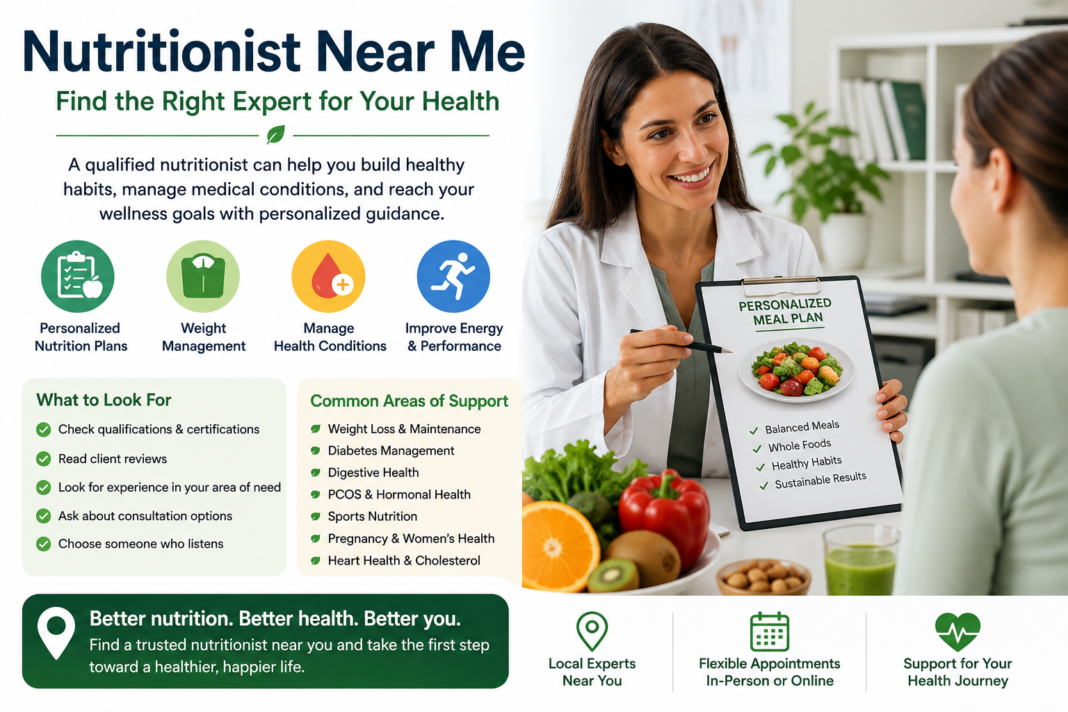

Searching for a nutritionist near me is often the first step toward improving your health, managing a medical condition, or reaching personal wellness goals. Whether you’re looking to lose weight, improve digestion, control diabetes, or simply eat healthier, a qualified nutrition professional can provide personalized guidance that generic diet plans cannot.
However, with so many options available, choosing the right nutrition expert can feel overwhelming. Understanding what a nutritionist does, how they differ from dietitians, what to expect during your first visit, and how to evaluate your options can help you make an informed decision.
This guide covers everything you need to know about finding the best nutritionist for your needs.
What Does a Nutritionist Do?
A nutritionist helps individuals improve their eating habits through personalized nutrition advice based on their health goals, lifestyle, and dietary preferences.
Depending on their qualifications and specialization, nutritionists may assist with:
- Weight management
- Healthy meal planning
- Diabetes nutrition
- Digestive health
- Heart-healthy eating
- Sports nutrition
- Pregnancy nutrition
- Pediatric nutrition
- Food allergies and sensitivities
- General wellness coaching
Rather than recommending one-size-fits-all diets, a nutritionist develops realistic strategies that fit your daily routine and long-term health objectives.
Nutritionist vs. Dietitian: What’s the Difference?
Although the terms are sometimes used interchangeably, they don’t always mean the same thing. Requirements vary by country, so it’s important to understand the distinction where you live.
| Feature | Nutritionist | Registered Dietitian |
| Education | Varies by location | Standardized accredited education |
| Certification | May or may not be regulated | Professionally licensed or registered in many regions |
| Medical Nutrition Therapy | Limited in some areas | Qualified to provide clinical nutrition therapy |
| Best For | Wellness, healthy eating, lifestyle coaching | Medical conditions and disease management |
| Personalized Meal Plans | Yes | Yes |
If you have a complex medical condition, a registered dietitian may be the better option. For general wellness, healthy eating, and lifestyle improvements, a qualified nutritionist can provide valuable support.
Signs You Should See a Nutritionist
Many people wait until health problems become serious before seeking professional advice. Early guidance can often prevent complications.
Consider scheduling a consultation if you:
- Struggle to lose or gain weight
- Have diabetes or prediabetes
- Experience digestive problems
- Need nutrition support during pregnancy
- Have PCOS or hormonal concerns
- Want to improve athletic performance
- Have high cholesterol or high blood pressure
- Need help managing food allergies
- Feel confused by conflicting nutrition advice
For example, someone trying multiple weight-loss diets without lasting success may benefit from a customized nutrition plan that focuses on sustainable habits instead of restrictive eating.
How to Find the Best Nutritionist Near You
Finding the right professional requires more than choosing the first name that appears online.
Check Credentials
Verify education, certifications, and professional memberships. Credential requirements vary by country, so ensure the nutritionist meets local standards.
Read Client Reviews
Look for consistent positive feedback regarding communication, professionalism, and personalized care.
Consider Their Specialty
Some nutritionists specialize in:
- Weight loss
- Diabetes
- Sports nutrition
- Digestive disorders
- Women’s health
- Pediatric nutrition
- Heart health
Choosing someone experienced in your specific concern often leads to better outcomes.
Ask About Consultation Options
Many professionals now offer both in-person and virtual appointments, making nutrition counseling more accessible.
Questions to Ask Before Booking
Before choosing a nutrition professional, ask a few important questions:
- What experience do you have with my health concern?
- Will my nutrition plan be personalized?
- How often do you recommend follow-up visits?
- Do you offer virtual appointments?
- How will progress be measured?
- Will you coordinate with my healthcare provider if needed?
These questions help ensure the nutritionist’s approach matches your expectations.
What Happens During Your First Appointment?
Your first consultation usually focuses on understanding your overall health.
A typical appointment may include:
- Reviewing your medical history
- Discussing current eating habits
- Evaluating lifestyle and activity levels
- Identifying health goals
- Creating realistic nutrition recommendations
- Planning future follow-up visits
Instead of handing you a strict diet, many nutritionists develop flexible meal strategies that fit your lifestyle.
How Much Does a Nutritionist Cost?
The cost of nutrition counseling varies depending on location, experience, and appointment type.
| Service | Typical Cost (USD) |
| Initial Consultation | $75–$250 |
| Follow-Up Visit | $50–$150 |
| Virtual Consultation | $50–$200 |
| Nutrition Packages | Varies |
Some health insurance plans may cover nutrition counseling for specific medical conditions. Always confirm coverage with your insurance provider before booking.
Online vs. In-Person Nutrition Counseling
Both options offer unique advantages.
| Online Nutritionist | In-Person Nutritionist |
| Convenient scheduling | Face-to-face interaction |
| Accessible from anywhere | Easier physical assessments |
| Saves travel time | Local referrals and support |
| Ideal for busy professionals | Better for certain clinical situations |
If your schedule is busy, online consultations can provide excellent flexibility while still offering personalized guidance.
Conditions a Nutritionist Can Help Manage
Nutrition counseling supports many different health concerns.
Common areas include:
- Weight management
- Diabetes
- PCOS
- High blood pressure
- High cholesterol
- Digestive disorders
- Food intolerances
- Pregnancy nutrition
- Sports performance
- Healthy aging
Nutrition recommendations are tailored to your health history, preferences, and goals rather than following generic meal plans.
Benefits of Personalized Nutrition Counseling
Working with a qualified nutrition professional offers benefits beyond meal planning.
These include:
- Better eating habits
- Improved energy levels
- Sustainable weight management
- Better blood sugar control
- Improved digestion
- Greater accountability
- Reduced risk of chronic disease
- Increased confidence in food choices
Personalized nutrition plans are often easier to maintain because they fit your lifestyle rather than forcing unrealistic restrictions.
Red Flags to Watch For
Not every nutrition professional follows evidence-based practices.
Be cautious if someone:
- Promises instant results
- Recommends extremely restrictive diets
- Guarantees weight loss
- Pushes expensive supplements unnecessarily
- Doesn’t ask about your medical history
- Uses the same meal plan for every client
A trustworthy nutritionist takes time to understand your unique needs before making recommendations.
Tips for Getting the Most From Your Appointment
To make your consultation more productive:
- Keep a food diary for several days beforehand.
- Bring recent lab results if available.
- List your medications and supplements.
- Prepare questions about your goals.
- Be honest about your eating habits.
- Follow up regularly to monitor progress.
Small, consistent changes often produce better long-term results than drastic dietary changes.
Conclusion
Finding the right nutrition professional is an investment in your long-term health. Whether your goal is managing a medical condition, improving athletic performance, losing weight, or simply building healthier eating habits, personalized guidance can make the journey easier and more effective.
Take time to compare credentials, ask thoughtful questions, and choose a professional whose experience aligns with your health goals. The right support can help you build sustainable habits that improve your overall well-being for years to come.
Frequently Asked Questions
1. How do I find the best nutritionist near me?
Look for qualified professionals with relevant credentials, positive client reviews, experience in your specific health concern, and flexible consultation options.
2. What’s the difference between a nutritionist and a dietitian?
A dietitian typically has standardized education and may provide medical nutrition therapy, while nutritionist qualifications vary depending on local regulations.
3. Do I need a referral to see a nutritionist?
In many cases, no referral is required, although some insurance plans or healthcare systems may require one for coverage.
4. Can I work with a nutritionist online?
Yes. Many nutritionists offer secure virtual consultations that provide personalized nutrition advice from the comfort of your home.
5. Does insurance cover nutrition counseling?
Coverage varies by insurer and medical condition. Check with your insurance provider to understand your benefits.
6. How often should I meet with a nutritionist?
Most people begin with an initial consultation followed by periodic follow-up visits based on their goals and progress.