
Becoming a mother brings many physical and emotional changes, and one of the most noticeable is the change in your weight after giving birth. While it’s normal to lose some weight in the days and weeks following delivery, rapid weight loss after pregnancy can leave many women wondering whether it’s part of the healing process or a sign of an underlying health issue.
Some mothers naturally lose weight quickly due to fluid loss, breastfeeding, or lifestyle changes. However, losing weight much faster than expected—especially if you’re not trying—may indicate nutritional deficiencies, hormonal imbalances, postpartum thyroiditis, or other medical conditions that deserve attention.
In this guide, you’ll learn what’s considered normal postpartum weight loss, the common causes of rapid weight loss after pregnancy, when you should be concerned, and how to support a healthy recovery.
What Is Considered Rapid Weight Loss After Pregnancy?
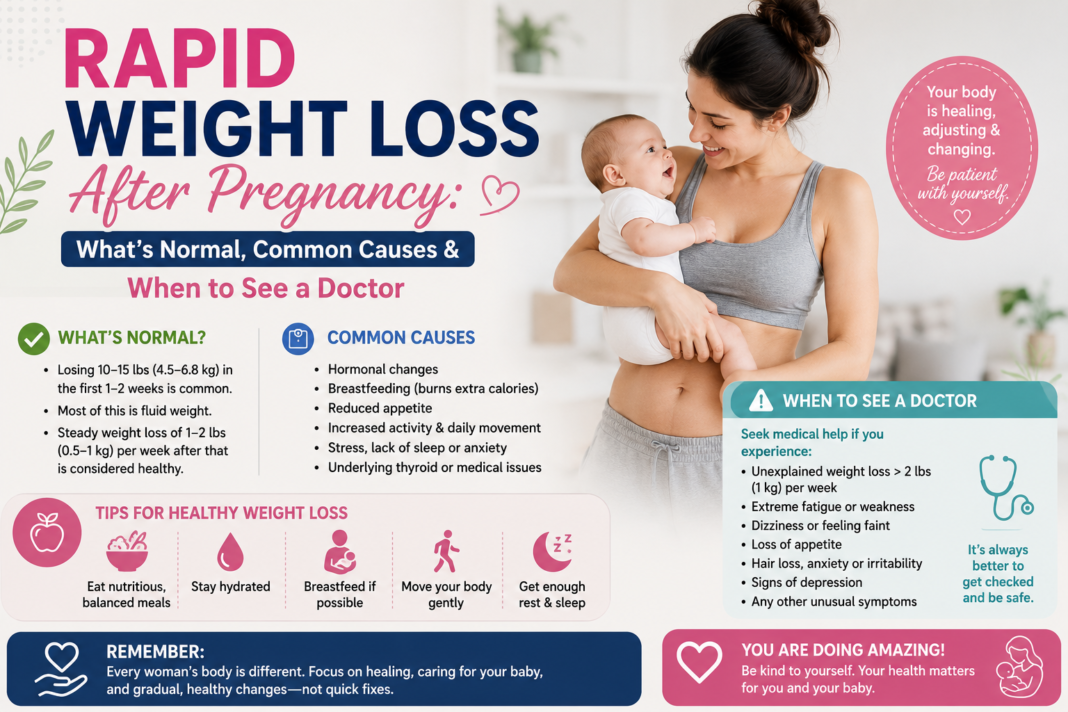
There isn’t a single number that defines “rapid” postpartum weight loss because every woman’s recovery is different. However, healthcare providers generally become more concerned when weight continues to drop quickly beyond the normal postpartum period without a clear explanation.
Normal vs. Concerning Postpartum Weight Loss
| Normal Postpartum Weight Loss | Rapid or Concerning Weight Loss |
| Weight loss immediately after delivery | Ongoing significant weight loss without trying |
| Gradual decline over several months | Losing weight despite eating enough |
| Improved energy as recovery progresses | Extreme fatigue or weakness |
| Stable appetite | Loss of appetite or difficulty eating |
| No major symptoms | Heart palpitations, dizziness, anxiety, or persistent diarrhea |
If you’re unsure whether your weight loss is expected, your healthcare provider can assess your overall recovery, nutrition, and any symptoms you’re experiencing.
How Much Weight Loss Is Normal After Giving Birth?
Most mothers notice the biggest drop in weight during the first few days after delivery. This initial change includes the baby’s weight, the placenta, amniotic fluid, and some retained fluids.
After that, recovery becomes more gradual.
Several factors influence postpartum weight loss, including:
- Your pre-pregnancy weight
- Total weight gained during pregnancy
- Whether you’re breastfeeding
- Diet and nutrition
- Sleep quality
- Physical activity
- Hormonal changes
- Overall health
Some women return to their pre-pregnancy weight within several months, while others take a year or longer. Both can be completely normal.
Expert Tip: The goal after childbirth shouldn’t be rapid weight loss. Instead, focus on healing, rebuilding strength, and providing your body with the nutrients it needs—especially if you’re breastfeeding.
Typical Postpartum Weight Loss Timeline
Every recovery journey is unique, but understanding the typical timeline can help you know what to expect.
| Time After Birth | What Usually Happens |
| First 24 hours | Delivery of the baby, placenta, and amniotic fluid results in immediate weight loss. |
| First week | Excess pregnancy fluids begin leaving the body through increased urination and sweating. |
| Weeks 2–6 | Weight loss slows as hormones adjust and the body continues healing. |
| Months 2–6 | Gradual weight changes may continue depending on breastfeeding, nutrition, activity, and metabolism. |
| After 6 months | Many women continue to lose weight gradually, while others maintain a stable weight as recovery progresses. |
Remember, healthy postpartum recovery isn’t a race. Every mother’s body heals at its own pace.
Common Causes of Rapid Weight Loss After Pregnancy
Several normal and medical factors can contribute to rapid weight loss after pregnancy. Understanding these causes can help you determine whether your experience is expected or whether it’s time to seek medical advice.
Breastfeeding and Increased Calorie Burn
Breastfeeding requires extra energy because your body uses calories to produce breast milk.
Many breastfeeding mothers naturally lose weight during the first few months postpartum. However, this varies significantly. Some women lose weight quickly, while others notice little or no change.
Your body also needs additional calories to support milk production. If you’re breastfeeding and unintentionally eating too little, you may lose weight more rapidly than expected.
Myth vs. Fact
| Myth | Fact |
| Breastfeeding always causes rapid weight loss. | Every mother’s metabolism responds differently. |
| Eating less helps you lose weight safely. | Consuming enough nutritious food supports both recovery and milk production. |
| Faster weight loss means you’re healthier. | Gradual recovery is generally healthier than losing weight too quickly. |
Medical Conditions That Can Cause Rapid Weight Loss After Pregnancy
While lifestyle changes explain many cases of postpartum weight loss, certain medical conditions require prompt evaluation.
If you’re losing weight quickly without trying or experiencing additional symptoms, speak with your healthcare provider.
Postpartum Thyroiditis
One of the most common medical causes of rapid weight loss after pregnancy is postpartum thyroiditis.
This condition occurs when the thyroid gland becomes inflamed after childbirth, temporarily releasing excess thyroid hormones before sometimes becoming underactive.
Common symptoms include:
- Rapid weight loss
- Anxiety
- Fast heartbeat
- Tremors
- Excessive sweating
- Difficulty sleeping
- Irritability
Many women mistake these symptoms for the normal stress of caring for a newborn, making diagnosis more challenging.
Postpartum Depression and Anxiety
Mental health can significantly affect physical health after childbirth.
Some mothers experience postpartum depression or anxiety that reduces appetite, disrupts eating habits, and contributes to noticeable weight loss.
Possible symptoms include:
- Persistent sadness
- Loss of interest in daily activities
- Feeling overwhelmed
- Difficulty bonding with the baby
- Changes in appetite
- Trouble sleeping beyond normal newborn care
Seeking support early can improve both emotional well-being and physical recovery.
Symptoms That Shouldn’t Be Ignored
Although some rapid weight loss after pregnancy is expected during the early postpartum period, certain symptoms may indicate an underlying health condition that requires prompt medical attention.
Contact your healthcare provider if your weight loss is accompanied by any of the following:
- Persistent fatigue or extreme weakness
- Rapid or irregular heartbeat
- Frequent dizziness or fainting
- Ongoing diarrhea
- Fever or chills
- Severe anxiety or panic attacks
- Tremors or shaking hands
- Difficulty eating or loss of appetite
- Excessive sweating unrelated to weather
- Weight loss that continues despite eating enough
How Doctors Diagnose Rapid Weight Loss After Pregnancy
If you’re experiencing unexplained postpartum weight loss, your healthcare provider will evaluate both your physical recovery and overall health.
The assessment usually begins with a discussion about:
- Your pregnancy and delivery
- Breastfeeding status
- Daily diet
- Sleep patterns
- Current medications
- Medical history
- Recent weight changes
- Any additional symptoms
A physical examination may also be performed to check for signs of dehydration, thyroid enlargement, nutritional deficiencies, or other health concerns.
Common Diagnostic Tests
| Test | Purpose |
| Thyroid function tests | Detect postpartum thyroiditis or hyperthyroidism |
| Complete blood count (CBC) | Identify anemia or infection |
| Blood glucose test | Screen for diabetes |
| Electrolyte panel | Assess hydration and overall balance |
| Vitamin and mineral tests | Detect nutritional deficiencies |
| Stool tests (if needed) | Evaluate digestive disorders |
These tests help your healthcare provider determine whether your weight loss is part of normal recovery or caused by an underlying medical condition.
Healthy Ways to Recover After Pregnancy
Rather than focusing on losing weight quickly, prioritize healing and nourishing your body. A healthy postpartum recovery supports your energy levels, mental well-being, and, if applicable, breast milk production.
Eat Balanced, Nutrient-Dense Meals
Aim to include:
- Lean protein (chicken, fish, eggs, beans)
- Whole grains
- Fresh fruits
- Vegetables
- Healthy fats like nuts, seeds, and avocados
- Calcium-rich foods
Balanced meals provide the nutrients your body needs for tissue repair and recovery.
Stay Hydrated
Hydration becomes even more important after childbirth, especially if you’re breastfeeding.
Drinking enough water helps:
- Replace lost fluids
- Support milk production
- Improve digestion
- Reduce fatigue
- Maintain overall health
Prioritize Rest Whenever Possible
Sleep deprivation affects:
- Appetite
- Hormone regulation
- Mood
- Recovery
Although uninterrupted sleep may not be realistic with a newborn, resting whenever possible can support healing.
Return to Exercise Gradually
Once your healthcare provider gives clearance, gentle physical activity can improve recovery.
Examples include:
- Walking
- Stretching
- Postpartum yoga
- Pelvic floor exercises
- Light strength training
Avoid intense exercise immediately after childbirth unless specifically advised by your healthcare provider.
Take Care of Your Mental Health
Emotional health is just as important as physical health.
Talk with your healthcare provider if you’re experiencing:
- Persistent sadness
- Anxiety
- Feeling overwhelmed
- Difficulty bonding with your baby
Early support can make a significant difference in your recovery.
Breastfeeding and Rapid Weight Loss
Many mothers wonder whether breastfeeding is responsible for their rapid weight loss after pregnancy.
The answer varies from person to person.
Breastfeeding does increase energy demands because your body uses calories to produce milk. However, genetics, hormones, sleep, diet, and physical activity all influence how much weight you lose.
Some mothers lose weight quickly, while others maintain or even gain weight during breastfeeding.
Myth vs. Fact
| Myth | Fact |
| Every breastfeeding mother loses weight quickly. | Weight changes vary greatly from one woman to another. |
| Eating less improves postpartum recovery. | Your body needs adequate nutrition for healing and milk production. |
| Rapid weight loss is always healthy. | Losing weight too quickly can sometimes indicate an underlying problem. |
The goal is not to lose weight as fast as possible but to recover safely while meeting your nutritional needs.
When Should You See a Doctor?
Schedule a medical evaluation if you experience:
- Continued unexplained weight loss
- Weight loss despite eating normally
- Heart palpitations
- Persistent diarrhea
- Ongoing fatigue
- Dizziness or fainting
- Fever
- Tremors
- Difficulty eating
- Symptoms of depression or anxiety
- Any concern that your recovery doesn’t feel normal
It’s always appropriate to discuss unexpected postpartum changes with your healthcare provider. Seeking medical advice early can provide reassurance or identify a condition that benefits from timely treatment.
Conclusion
Experiencing rapid weight loss after pregnancy can be both surprising and concerning. While it’s normal to lose weight in the weeks following childbirth due to the loss of the baby, placenta, and excess fluids, ongoing or unexplained weight loss shouldn’t be ignored.
Breastfeeding, hormonal changes, and lifestyle adjustments can all influence postpartum weight, but medical conditions such as postpartum thyroiditis, diabetes, digestive disorders, or mental health challenges may also play a role. Paying attention to your body’s signals and seeking medical advice when something doesn’t feel right is an important part of postpartum care.
Remember, the postpartum period is about recovery—not rushing back to your pre-pregnancy weight. Nourishing your body, staying hydrated, getting as much rest as possible, and attending follow-up appointments will support a healthier recovery for both you and your baby.
Frequently Asked Questions
1. Is rapid weight loss after pregnancy always a cause for concern?
No. Some weight loss is expected after childbirth due to the delivery of the baby, placenta, and excess fluids. However, continued or unexplained rapid weight loss—especially with other symptoms—should be evaluated by a healthcare provider.
2. Can breastfeeding cause rapid weight loss after pregnancy?
Yes, breastfeeding may contribute to weight loss because producing breast milk requires additional energy. However, every woman’s experience is different, and not all breastfeeding mothers lose weight quickly.
3. Can postpartum thyroiditis cause rapid weight loss?
Yes. Postpartum thyroiditis can temporarily increase thyroid hormone levels, leading to symptoms such as weight loss, rapid heartbeat, anxiety, tremors, and excessive sweating.
4. Why am I losing weight even though I’m eating normally?
Unexplained weight loss despite adequate food intake may be related to thyroid disorders, diabetes, digestive conditions, medication side effects, or other medical issues. A healthcare provider can help determine the cause.
5. How long does normal postpartum weight loss last?
Recovery varies widely. Many women lose the most weight during the first few weeks, while gradual weight changes may continue over several months as the body heals.
6. Can stress cause weight loss after pregnancy?
Yes. Stress, anxiety, sleep deprivation, and the demands of caring for a newborn can reduce appetite and contribute to unintended weight loss.
7. What’s the healthiest way to lose pregnancy weight?
Focus on gradual recovery through balanced nutrition, hydration, adequate rest, gentle exercise (when approved by your healthcare provider), and regular postpartum checkups. Avoid crash diets or extreme weight-loss methods.