
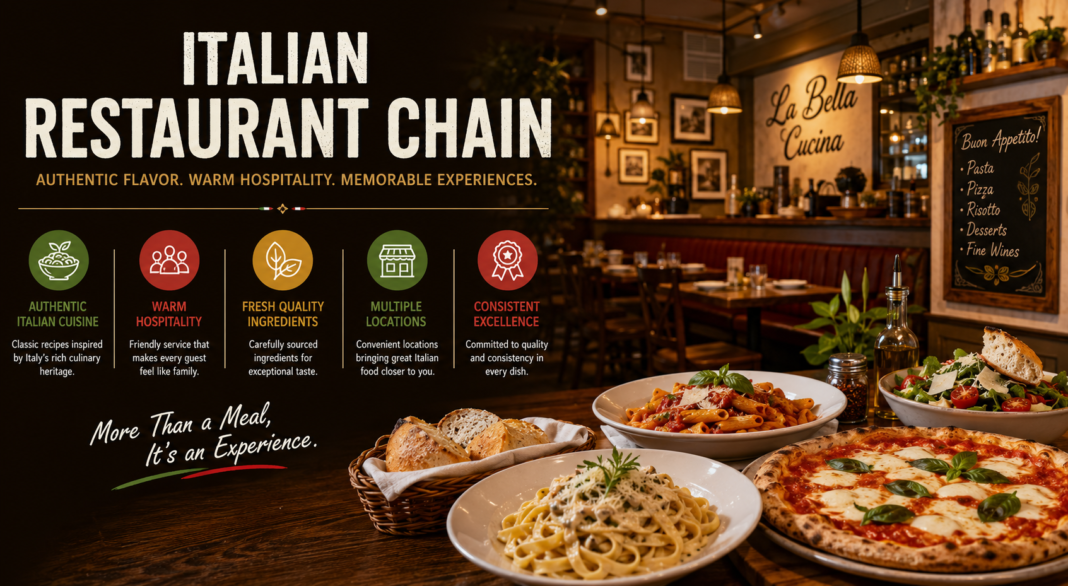

Italian food remains one of the most loved cuisines in the world. From classic pasta dishes and wood-fired pizzas to regional specialties and modern culinary innovations, Italian dining continues to attract millions of customers every year. An italian restaurant chain represents more than a collection of dining locations. It reflects a scalable business model that combines authentic flavors, operational consistency, and a recognizable customer experience.
Consumers often choose a restaurant brand because they know what to expect. Whether visiting a neighborhood location or dining while traveling, customers value reliability alongside great food. The most successful chains achieve a balance between tradition and innovation while preserving the cultural identity that makes Italian cuisine so appealing. Throughout the restaurant industry, these businesses have become examples of how food, hospitality, and branding can work together to create lasting success.
Understanding the Italian Restaurant Chain Business Model
An italian restaurant chain operates multiple restaurant locations under a unified brand identity. Each location typically follows standardized recipes, service procedures, and operational guidelines to ensure customers receive a consistent experience. This structure allows businesses to expand while maintaining quality and efficiency. The combination of Italian cuisine and restaurant franchising creates a scalable approach that supports growth across different markets.
Unlike independent restaurants, chains often benefit from centralized purchasing, streamlined training programs, and coordinated marketing campaigns. These advantages help reduce operational costs while improving brand recognition. Strong supply chain management and effective menu standardization enable restaurant groups to maintain consistency even as they expand into new regions and demographics.
The Evolution of Italian Dining Brands
Italian dining concepts have evolved significantly over the decades. Early chains focused on introducing traditional dishes to broader audiences, often simplifying recipes to appeal to local tastes. As customer expectations changed, many brands began emphasizing authenticity and regional culinary traditions. Growing interest in Mediterranean cuisine and authentic ingredients encouraged restaurants to elevate their offerings.
Modern consumers are more informed and adventurous than previous generations. They seek genuine culinary experiences while expecting convenience and value. As a result, many chains now showcase regional specialties, premium ingredients, and seasonal menus. This shift reflects broader trends in food culture and culinary innovation, helping brands remain competitive in a crowded market.
Why Italian Cuisine Works So Well for Restaurant Chains
Italian food naturally lends itself to scalable restaurant operations. Many dishes rely on versatile ingredients that can be used across multiple menu categories, making inventory management more efficient. Popular items such as pasta, pizza, and salads appeal to diverse audiences and support strong menu engineering and cost control practices.
Another advantage is the cuisine’s broad demographic appeal. Families, couples, business professionals, and tourists often view Italian restaurants as comfortable and approachable dining destinations. The popularity of family dining and comfort food helps chains attract repeat customers while serving a wide range of occasions and preferences.
Core Elements of a Successful Italian Restaurant Chain
Several factors contribute to long-term success within the restaurant industry. Food quality remains the foundation of any strong brand. Customers expect fresh ingredients, flavorful dishes, and consistent preparation standards. Successful operators invest heavily in quality assurance and culinary training to meet these expectations.
Beyond food, customer experience plays a major role. Friendly service, inviting interiors, and efficient operations influence customer satisfaction. Strong brands focus on guest experience and customer retention strategies that encourage loyalty and positive word-of-mouth recommendations.
Comparison of Key Characteristics in Italian Restaurant Chains
| Factor | Importance | Business Impact |
| Food Quality | Very High | Drives repeat visits and brand reputation |
| Menu Consistency | High | Creates predictable customer experiences |
| Brand Identity | High | Strengthens market recognition |
| Employee Training | High | Improves service quality and efficiency |
| Location Strategy | High | Expands customer reach |
| Digital Ordering | Medium to High | Supports convenience and sales growth |
| Customer Loyalty Programs | Medium | Encourages repeat business |
| Supply Chain Efficiency | High | Maintains product quality and profitability |
The table highlights how multiple operational elements contribute to success. While exceptional food attracts customers initially, sustainable growth depends on effective management systems and strong brand positioning. Strategic investments in operational efficiency and business scalability often separate industry leaders from competitors.
Companies that balance these factors effectively are better equipped to adapt to changing market conditions. Consistent execution across locations helps build trust while supporting expansion opportunities. The combination of brand management and restaurant operations remains critical for long-term performance.
Building a Strong Brand Identity
Brand identity influences how customers perceive a restaurant long before they taste the food. Logos, restaurant design, marketing materials, and messaging all contribute to a cohesive image. Successful chains create memorable experiences through consistent brand storytelling and visual identity elements.
Authenticity is particularly important in Italian dining. Customers often associate Italian food with family traditions, craftsmanship, and hospitality. Brands that communicate these values effectively can build stronger emotional connections. Strategic use of customer engagement and brand loyalty initiatives further strengthens these relationships.
Menu Development and Culinary Strategy
Developing a menu for multiple locations requires careful planning. Restaurant leaders must balance customer preferences, operational efficiency, and profitability. Popular dishes often remain permanent fixtures while seasonal offerings introduce variety and excitement. Effective menu optimization and product development help keep menus fresh and competitive.
Ingredient quality remains a major differentiator. Fresh produce, premium cheeses, and traditional cooking methods contribute to perceived value. Customers increasingly appreciate transparency regarding sourcing and preparation. As a result, many chains highlight farm-to-table concepts and ingredient sourcing practices within their marketing efforts.
Technology and the Modern Dining Experience
Technology continues to reshape the restaurant industry. Online ordering, mobile applications, and contactless payment systems have become standard features across many brands. These tools enhance convenience while supporting growth through improved digital transformation and customer convenience initiatives.
Data analytics also plays a significant role. Restaurant operators use customer insights to improve menus, personalize promotions, and optimize operations. By leveraging business intelligence and consumer behavior analysis, chains can make informed decisions that strengthen both profitability and customer satisfaction.
Expansion Strategies and Market Growth
Growth requires more than opening new locations. Successful expansion depends on market research, site selection, and operational readiness. Restaurant groups carefully evaluate demographics, competition, and consumer demand before entering new markets. Effective market expansion and location analysis strategies help reduce risk.
Some companies choose franchising while others maintain corporate ownership. Each approach offers unique advantages depending on business objectives. Franchising can accelerate growth through local investment, while company-owned locations provide greater control. Strong franchise development and growth strategy planning support sustainable expansion efforts.
Customer Expectations in Today’s Restaurant Industry
Modern diners expect more than good food. Convenience, transparency, value, and personalization all influence purchasing decisions. Customers increasingly rely on online reviews and social media when selecting dining options. Effective management of online reputation and social media marketing has become essential for restaurant brands.
Health-conscious consumers also influence menu development. Many diners seek lighter options, dietary accommodations, and ingredient transparency. Restaurants that address these needs through thoughtful menu customization and healthy dining offerings often appeal to broader audiences.
The Importance of Consistency Across Locations
One defining characteristic of a successful italian restaurant chain is consistency. Customers expect the same quality and experience regardless of location. Achieving this standard requires detailed operational procedures and continuous oversight. Strong quality control systems and employee development programs support consistency at scale.
Consistency also enhances customer trust. When diners know what to expect, they are more likely to return and recommend the brand to others. Reliable execution strengthens both customer satisfaction and brand credibility, creating long-term competitive advantages.
Trends Shaping the Future of Italian Restaurant Chains
The restaurant industry continues to evolve as consumer preferences shift. Sustainability, technology integration, and experiential dining are influencing future strategies. Many brands are investing in environmentally responsible practices through sustainable sourcing and eco-friendly operations initiatives.
At the same time, restaurants are creating more engaging experiences through events, chef collaborations, and interactive dining concepts. These efforts reflect growing demand for memorable experiences and stronger customer interaction and experiential marketing opportunities.
Expert Perspective on Restaurant Success
As restaurant consultant Danny Meyer famously noted:
“Business, like life, is all about how you make people feel.”
This principle remains highly relevant for every italian restaurant chain. Exceptional food may attract customers initially, but positive experiences inspire loyalty. Strong emphasis on hospitality culture and service excellence helps transform occasional visitors into long-term advocates.
Restaurants that prioritize relationships alongside operational performance often achieve stronger results. Investments in staff development, customer engagement, and community involvement support lasting success through enhanced brand reputation and customer loyalty.
Conclusion
An italian restaurant chain succeeds when it combines authentic cuisine, operational consistency, and meaningful customer experiences. While food quality remains essential, long-term growth depends on branding, technology, employee training, and strategic expansion. The industry’s most successful organizations understand that customers seek both great meals and memorable experiences.
As dining trends continue to evolve, chains that embrace innovation while respecting culinary traditions will remain well-positioned for future success. Through strong leadership, customer-focused strategies, and continuous improvement, Italian restaurant brands can thrive in increasingly competitive markets.
FAQ
What is an italian restaurant chain?
An italian restaurant chain is a restaurant brand that operates multiple locations under a shared identity while maintaining consistent food quality, service standards, and customer experiences through restaurant management and brand consistency.
Why are Italian restaurant chains so popular?
Italian cuisine appeals to a wide audience because of its familiar flavors and versatility. An italian restaurant chain benefits from strong demand for family meals and traditional recipes across many demographics.
How do restaurant chains maintain food consistency?
Most brands use standardized recipes, training programs, and supplier networks. These systems support quality assurance and operational standards across every location.
What role does technology play in restaurant success?
Technology improves ordering, payments, marketing, and customer engagement. Modern chains rely on digital ordering and data analytics to improve performance and customer satisfaction.
Are franchise models common for Italian restaurant chains?
Yes. Many brands expand through franchising because it supports rapid growth and local market knowledge. Effective franchise operations and business development strategies help maintain standards.
What trends will influence future Italian restaurant chains?
Future growth will likely be shaped by sustainability, personalization, and digital innovation. Important areas include environmental responsibility and customer experience enhancement as consumer expectations continue to evolve.
You May Also Read : Best Tequila