
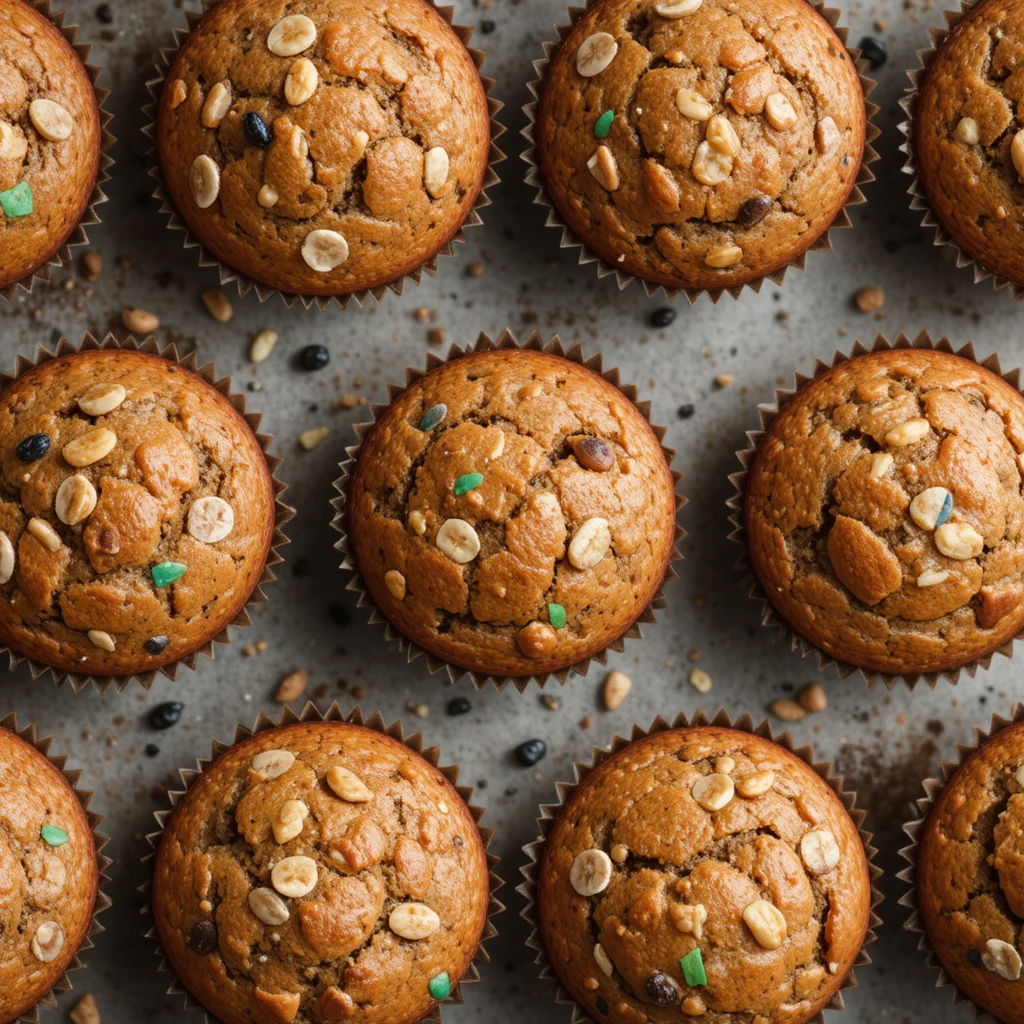

Few baked treats strike the perfect balance between comfort, convenience, and flavor quite like banana bread muffins. They combine everything people love about traditional banana bread—the rich banana flavor, moist texture, and homemade appeal—into portable, individually portioned servings that are ideal for breakfast, snacks, lunchboxes, and dessert.
Whether you’re trying to use up overripe bananas or searching for a reliable homemade recipe that delivers consistently delicious results, mastering banana bread muffins is a valuable kitchen skill. From ingredient selection and baking techniques to creative flavor variations and storage strategies, this guide covers everything you need to know to create bakery-quality muffins at home.
Why Banana Bread Muffins Are So Popular
Banana-based baked goods have remained household favorites for generations because they transform simple pantry ingredients into something deeply satisfying. The natural sweetness and moisture of ripe bananas create a rich texture that requires less added sugar and fat than many traditional baked treats.
Banana bread muffins are especially popular because they bake faster than a full loaf, offer built-in portion control, and are easy to transport. They fit effortlessly into busy lifestyles while still delivering the comforting taste of homemade baking.
The Difference Between Banana Bread and Muffins
Although both recipes often use nearly identical ingredients, their preparation methods and textures can differ significantly. Traditional banana bread is usually baked in a loaf pan and tends to have a denser, more cake-like consistency throughout the center.
Muffins, on the other hand, develop a slightly lighter structure and a larger surface area for golden-brown tops. This creates more texture contrast, giving each bite a combination of tender crumb and lightly crisp edges.
Choosing the Best Bananas for Baking
The quality of your bananas directly affects flavor, sweetness, and moisture. Bananas that are heavily speckled or nearly black on the outside contain higher concentrations of natural sugars, making them ideal for baking.
Many people mistakenly throw away overly ripe bananas when they are actually at their peak baking potential. The stronger banana flavor and softer texture blend seamlessly into muffin batter, creating richer and more flavorful results.
Essential Ingredients and Their Roles
Every ingredient contributes something important to the finished product. Flour provides structure, eggs add stability, butter or oil contributes tenderness, and bananas deliver moisture and sweetness.
Leavening agents such as baking soda and baking powder create lift and softness. Meanwhile, ingredients like vanilla extract, cinnamon, and brown sugar deepen the flavor profile and enhance the natural richness of the bananas.
Understanding the Science Behind Moist Muffins
Moisture retention is one of the defining characteristics of excellent banana muffins. Bananas naturally contain water, sugars, and pectin, all of which help create a soft crumb that stays fresh longer than many other baked goods.
The balance between wet and dry ingredients also matters significantly. Too much flour can create dry muffins, while excessive liquid can lead to dense centers that fail to bake properly.
A Breakdown of Common Ingredients
| Ingredient | Primary Function | Impact on Texture | Impact on Flavor |
| Bananas | Moisture and sweetness | Soft and tender crumb | Strong banana flavor |
| Flour | Structure | Stability and shape | Mild background flavor |
| Eggs | Binding | Improved texture | Richness |
| Butter | Fat source | Tender crumb | Rich buttery taste |
| Oil | Moisture retention | Extra softness | Neutral flavor |
| Brown Sugar | Sweetener | Moist texture | Caramel notes |
| Baking Soda | Leavening | Better rise | Neutral |
| Vanilla Extract | Flavor enhancer | Minimal texture effect | Warm sweetness |
| Cinnamon | Spice | Minimal texture effect | Added depth |
How to Achieve Bakery-Style Results
Professional bakeries often focus on consistency rather than complexity. One of the simplest ways to improve homemade muffins is by measuring ingredients accurately and avoiding overmixing.
A slightly thicker batter helps create taller muffin tops. Filling muffin cups generously and baking at the proper temperature can also produce the domed appearance many people associate with bakery-quality products.
The Importance of Not Overmixing
One of the most common baking mistakes occurs during mixing. Excessive stirring develops gluten in the flour, which can create tough, chewy muffins rather than soft and tender ones.
The ideal approach is to mix only until the ingredients are combined. A few visible streaks or small lumps in the batter are perfectly acceptable and often lead to better final results.
Selecting the Right Flour
All-purpose flour remains the most versatile choice because it provides a dependable balance of structure and softness. It works well across countless recipes and consistently produces tender muffins.
Whole wheat flour can be incorporated for added nutrition, though using it exclusively may create a denser texture. Many bakers achieve excellent results by combining both flour types.
Butter Versus Oil
Butter contributes rich flavor and creates a slightly firmer crumb structure. Many traditional recipes rely on melted butter for its distinctive taste and aroma.
Oil often produces softer muffins that remain moist longer. Neutral oils such as canola or vegetable oil are particularly effective when extended freshness is a priority.
Flavor Variations Worth Trying
One reason banana bread muffins remain so popular is their adaptability. The basic recipe serves as an excellent foundation for countless flavor combinations and personal preferences.
Chocolate chips, walnuts, pecans, shredded coconut, and dried fruit can transform a simple batch into something entirely unique. Seasonal spices and extracts also allow endless customization.
Adding Chocolate Chips
Chocolate chips pair naturally with bananas because the sweetness of both ingredients complements one another. Semi-sweet varieties provide balance, while milk chocolate creates a sweeter dessert-style muffin.
Mini chocolate chips distribute more evenly throughout the batter, ensuring every bite contains a bit of chocolate without overwhelming the banana flavor.
Incorporating Nuts
Walnuts are perhaps the most traditional addition to banana-based baked goods. Their mild bitterness and crunch create a pleasant contrast to the soft muffin texture.
Pecans provide a sweeter, richer alternative. Lightly toasting nuts before adding them can further enhance their flavor and create a more sophisticated result.
Using Warm Spices
Cinnamon is often considered the classic spice companion to bananas. It enhances sweetness perception without requiring additional sugar and adds warmth to every bite.
Nutmeg, cardamom, and allspice can also contribute complexity. Even small amounts can significantly elevate the overall flavor profile of homemade muffins.
Making Healthier Versions
Health-conscious bakers can easily modify recipes without sacrificing flavor. Replacing some of the sugar with mashed banana naturally lowers added sugar content while maintaining sweetness.
Greek yogurt, applesauce, and whole-grain flour can increase nutritional value. These substitutions often add protein, fiber, or moisture while preserving the soft texture people expect.
Protein-Boosted Banana Muffins
Adding protein powder has become increasingly popular among fitness-focused bakers. When incorporated carefully, it can enhance nutritional content without drastically altering flavor.
Balancing additional protein with extra moisture is important because many powders absorb liquid. Small adjustments help maintain tenderness and prevent dryness.
Gluten-Free Options
Many gluten-free flour blends now produce excellent results in muffin recipes. High-quality blends often contain starches and gums that replicate the structure normally provided by wheat flour.
Because ingredient compositions vary, following manufacturer recommendations can improve consistency and prevent common issues such as crumbling or excessive density.
Common Mistakes to Avoid
Even simple muffin recipes can go wrong when key baking fundamentals are overlooked. Overbaking remains one of the most common reasons for dry, disappointing results.
Using underripe bananas is another frequent mistake. Less-ripe fruit lacks the sweetness, moisture, and intense flavor that make banana-based baked goods so enjoyable.
Proper Baking Temperature
Temperature plays a critical role in texture and appearance. Excessively low heat may prevent adequate rise, while high heat can burn the tops before the centers finish baking.
Most recipes perform best within a moderate temperature range that encourages even cooking and proper moisture retention throughout the muffin.
Storing Fresh Muffins
Proper storage helps maintain softness and freshness for several days. Once completely cooled, muffins should be stored in an airtight container at room temperature.
Adding a paper towel inside the container can absorb excess moisture and reduce condensation. This simple technique helps preserve texture and prevent sogginess.
Freezing for Long-Term Storage
Freezing is one of the best ways to extend shelf life without compromising quality. Individually wrapping muffins before freezing protects them from freezer burn and flavor loss.
When needed, muffins can be thawed at room temperature or warmed gently in the microwave. Many people find frozen batches just as enjoyable as freshly baked ones.
Banana Bread Muffins for Meal Prep
Meal prep enthusiasts often appreciate recipes that can be prepared in advance and enjoyed throughout the week. Muffins fit perfectly into this approach because they are easy to portion and transport.
A single baking session can provide breakfasts, snacks, or quick treats for multiple days. This convenience contributes significantly to the enduring popularity of banana muffins.
Why Families Love This Recipe
Families often favor banana muffins because they appeal to a wide range of tastes and age groups. Children enjoy the natural sweetness, while adults appreciate their versatility and homemade quality.
The recipe also provides a practical solution for reducing food waste. Overripe bananas that might otherwise be discarded become the foundation of a delicious baked treat.
The Role of Texture in Enjoyment
Texture is a major factor in determining whether a muffin feels ordinary or exceptional. The ideal balance includes a moist interior, gentle crumb structure, and slightly firm exterior.
Small adjustments in ingredients and technique can dramatically affect texture. Understanding these relationships helps bakers consistently produce superior results.
Seasonal and Holiday Adaptations
Banana muffins can easily be adapted for different seasons and celebrations. Autumn versions often feature cinnamon, nutmeg, and chopped pecans for a cozy flavor profile.
During holidays, ingredients like cranberries, chocolate chunks, or festive spices can transform a familiar recipe into a special occasion treat that feels unique and memorable.
A Timeless Baking Favorite
Trends in baking come and go, yet banana muffins remain remarkably consistent in popularity. Their simplicity, affordability, and universal appeal help them transcend changing food trends.
As celebrated baker and author Dorie Greenspan once noted, “Baking is both an art and a science.” Few recipes demonstrate that balance more clearly than a well-made banana muffin that combines simple ingredients with thoughtful technique.
Conclusion
Banana bread muffins continue to earn their place among the most beloved homemade baked goods because they offer exceptional flavor, versatility, and convenience. They transform ordinary ingredients into something comforting, satisfying, and suitable for nearly any occasion.
Whether you prefer classic recipes, healthier adaptations, chocolate-filled variations, or protein-packed versions, mastering banana bread muffins opens the door to countless creative possibilities. With ripe bananas, proper technique, and a few expert tips, you can consistently produce moist, flavorful muffins that rival those found in professional bakeries.
FAQ
How ripe should bananas be for banana bread muffins?
For the best banana bread muffins, use bananas that are heavily speckled or mostly black. These bananas provide maximum sweetness, moisture, and flavor.
Can I freeze banana bread muffins?
Yes, banana bread muffins freeze exceptionally well. Store them in airtight freezer-safe packaging and thaw as needed for convenient snacks or breakfasts.
Why are my banana bread muffins dry?
Dry banana bread muffins are usually caused by overbaking, excessive flour, or insufficient banana content. Accurate measurements and proper baking times help prevent this issue.
Can I make banana bread muffins without eggs?
Yes, banana bread muffins can be made without eggs using substitutes such as applesauce, mashed banana, flaxseed mixtures, or commercial egg replacers.
How long do banana bread muffins stay fresh?
Properly stored banana bread muffins typically remain fresh for two to four days at room temperature and up to three months in the freezer.
Can I add chocolate chips to banana bread muffins?
Absolutely. Chocolate chips are one of the most popular additions to banana bread muffins and pair naturally with the sweet banana flavor.
Are banana bread muffins healthy?
Banana bread muffins can be part of a balanced diet, especially when made with whole grains, reduced sugar, and nutrient-dense ingredients such as nuts or Greek yogurt.
You May Also Read : Barron Trump Height Disease