
A strong back is the foundation of athletic performance, healthy posture, injury prevention, and overall functional fitness. Yet many people believe they need barbells, cable machines, or expensive gym memberships to develop impressive back strength. The reality is that effective bodyweight back exercises can deliver remarkable results when performed with proper technique, consistency, and progression.
Whether you’re training at home, traveling, or simply looking to diversify your workout routine, bodyweight training offers a practical and highly effective way to strengthen your upper back, lats, traps, rhomboids, and spinal stabilizers. From beginner-friendly movements to advanced calisthenics skills, there are countless ways to challenge your back using nothing but your body and your environment.
This comprehensive guide explores the science, benefits, techniques, progressions, and programming strategies behind the most effective bodyweight back training methods available today.
Why Back Training Matters More Than Most People Realize
Many fitness enthusiasts focus heavily on visible muscles such as the chest, arms, and abs while neglecting the muscles behind them. This imbalance often contributes to poor posture, reduced athletic performance, and increased injury risk over time.
Strong back muscles support spinal alignment, shoulder health, breathing efficiency, and everyday movements such as lifting, carrying, pulling, and reaching. Developing these muscles also creates the coveted V-taper appearance that many athletes and fitness enthusiasts pursue.
Understanding the Anatomy of the Back
Before selecting exercises, it helps to understand the primary muscles involved in back development. The latissimus dorsi, trapezius, rhomboids, erector spinae, rear deltoids, and teres major all contribute to movement, stability, and posture.
Different movement patterns emphasize different muscle groups. Horizontal pulling typically targets the mid-back, while vertical pulling focuses more heavily on the lats. Extension-based movements challenge the lower back and spinal stabilizers, creating comprehensive development.
The Advantages of Bodyweight Training for Back Development
One of the greatest benefits of bodyweight training is accessibility. You can perform many exercises at home, in a park, or while traveling without requiring specialized equipment.
Additionally, bodyweight movements often demand greater stabilization and coordination than machine-based exercises. This creates functional strength that transfers effectively to sports, daily activities, and overall movement quality.
Common Myths About Bodyweight Back Exercises
A widespread misconception is that bodyweight training cannot build significant muscle mass. In reality, progressive overload can be achieved through leverage changes, tempo manipulation, increased volume, and advanced variations.
Another myth suggests that only pull-ups train the back effectively. While pull-ups are excellent, many other movements challenge the back muscles through unique angles and resistance patterns, creating balanced development.
How Progressive Overload Works Without Weights
Muscle growth and strength gains occur when the body faces increasing demands over time. Traditional weightlifting accomplishes this by adding external resistance.
With bodyweight back exercises, progression can come from increasing repetitions, extending time under tension, slowing movement speed, reducing rest periods, or advancing to more challenging exercise variations.
The Role of Pulling Movements in Back Development
Pulling movements serve as the foundation of effective back training. These exercises activate the lats, traps, rhomboids, and biceps while improving shoulder mechanics.
Because modern lifestyles involve extensive sitting and forward-reaching activities, incorporating regular pulling exercises can help counteract muscular imbalances and improve posture.
Best Muscles Targeted by Bodyweight Back Exercises
The back consists of multiple muscle groups that work together rather than independently. Effective programming should target all major regions through varied movement patterns.
Balanced development ensures improved aesthetics, strength, mobility, and injury resilience while preventing weaknesses from developing within the kinetic chain.
Comparison of Popular Bodyweight Back Exercises
| Exercise | Difficulty Level | Primary Muscles Targeted | Equipment Needed | Best For |
| Pull-Up | Intermediate | Lats, Rhomboids, Biceps | Pull-Up Bar | Strength & Muscle |
| Chin-Up | Intermediate | Lats, Biceps | Pull-Up Bar | Upper Body Strength |
| Inverted Row | Beginner-Intermediate | Mid Back, Rhomboids | Bar or Rings | Posture Improvement |
| Superman Hold | Beginner | Lower Back, Glutes | None | Spinal Stability |
| Reverse Snow Angel | Beginner | Upper Back, Rear Delts | None | Postural Strength |
| Australian Pull-Up | Beginner | Mid Back, Lats | Low Bar | Back Endurance |
| Archer Pull-Up | Advanced | Lats, Traps | Pull-Up Bar | Unilateral Strength |
| Front Lever Progression | Advanced | Entire Posterior Chain | Pull-Up Bar | Elite Back Development |
Pull-Ups: The Gold Standard Back Builder
Pull-ups remain one of the most effective bodyweight back exercises ever developed. They primarily target the latissimus dorsi while also engaging the biceps, traps, core, and forearms.
To perform a pull-up correctly, hang from a bar with an overhand grip, engage your shoulders, and pull your chest toward the bar while maintaining control throughout the movement.
Chin-Ups for Strength and Muscle Growth
Chin-ups use an underhand grip, which typically increases biceps involvement while still heavily targeting the lats and upper back.
Many trainees find chin-ups easier than traditional pull-ups, making them an excellent stepping stone toward more advanced pulling variations.
Inverted Rows for Complete Mid-Back Development
Inverted rows provide a horizontal pulling movement that complements vertical pulling exercises beautifully. They emphasize the rhomboids, rear deltoids, and middle trapezius.
This exercise is highly scalable, making it suitable for beginners and advanced athletes alike. Adjusting body angle changes resistance and difficulty.
Australian Pull-Ups as a Beginner-Friendly Alternative
Australian pull-ups allow individuals who cannot yet perform full pull-ups to develop pulling strength effectively. The movement pattern closely resembles a row while reducing overall resistance.
Consistent practice builds foundational strength that transfers directly to pull-up performance and broader upper-body development.
Superman Holds for Lower Back Strength
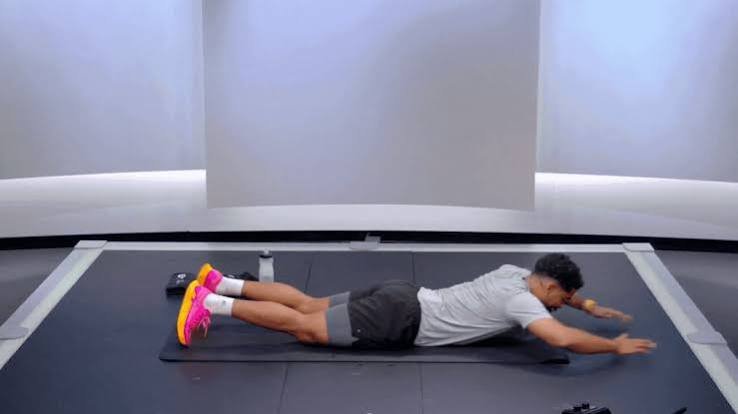
The Superman hold targets the erector spinae, glutes, and posterior chain muscles. It requires no equipment and can be performed virtually anywhere.
By lifting the arms and legs simultaneously while maintaining spinal extension, trainees strengthen key stabilizing muscles that support healthy movement.
Reverse Snow Angels for Postural Health
Reverse snow angels are among the most underrated bodyweight back exercises available. They strengthen the upper back and rear shoulders while improving shoulder mobility.
This movement is particularly beneficial for desk workers who spend long periods sitting and looking at screens throughout the day.
Scapular Pull-Ups for Better Activation
Scapular pull-ups focus on shoulder blade movement rather than full arm flexion. This exercise teaches proper pulling mechanics and improves scapular control.
Developing strong scapular movement patterns enhances performance in advanced calisthenics skills and traditional strength exercises.
Front Lever Progressions for Advanced Athletes
The front lever is one of calisthenics’ most respected skills because of the tremendous back strength it demands. Holding the body horizontally requires exceptional lat and core engagement.
Beginners should start with tuck lever variations before progressing toward advanced positions as strength improves over time.
Archer Pull-Ups for Unilateral Development
Archer pull-ups shift most of the workload to one side of the body while maintaining support from the opposite arm. This creates a powerful strength-building stimulus.
The exercise also develops coordination and prepares athletes for challenging one-arm pulling progressions.
Isometric Training and Back Strength
Isometric holds involve maintaining a fixed position under tension rather than performing repetitions. These exercises can dramatically improve strength and endurance.
Examples include dead hangs, front lever holds, scapular holds, and top-position pull-up holds, each providing unique training benefits.
Building Muscle With Bodyweight Back Exercises
Hypertrophy depends on mechanical tension, metabolic stress, and progressive overload rather than external weights alone. Bodyweight training can satisfy all three requirements when programmed correctly.
Higher repetitions, slower tempos, and advanced leverage positions create substantial muscular stimulation capable of driving growth.
Improving Posture Through Back Training
Poor posture commonly results from weak upper-back muscles combined with tight chest and shoulder muscles. Strategic back training helps restore balance.
Consistent strengthening of the rhomboids, traps, and rear deltoids encourages improved alignment and more efficient movement patterns.
Back Training for Athletes
Athletes rely on powerful back muscles for sprinting, throwing, climbing, grappling, swimming, and countless other activities. Strong pulling muscles contribute significantly to force production.
Well-designed bodyweight back exercises can enhance athletic performance while reducing injury risk through improved stability and coordination.
The Connection Between Core and Back Strength
The core and back function as an integrated system rather than separate entities. Effective back training naturally challenges the abdominal muscles and deep stabilizers.
Movements such as front lever progressions, hanging exercises, and advanced pulling variations demand substantial core activation alongside back engagement.
Creating an Effective Weekly Back Routine
An effective program balances volume, intensity, recovery, and exercise variety. Most individuals achieve excellent results training the back two to three times weekly.
Combining vertical pulls, horizontal pulls, and spinal extension exercises creates comprehensive development while minimizing weak points.
Beginner Bodyweight Back Workout Example
Beginners should focus on mastering movement quality before pursuing advanced progressions. Controlled repetitions and proper technique establish a strong foundation.
A simple session might include Australian pull-ups, inverted rows, Superman holds, and scapular pull-ups performed for moderate volume.
Intermediate Bodyweight Back Workout Example
Intermediate trainees can increase intensity through more challenging variations and greater training density. Pull-ups become a central component of the program.
Combining pull-ups, chin-ups, inverted rows, and isometric holds provides a balanced stimulus for continued strength and muscle gains.
Advanced Back Training Strategies
Advanced athletes often manipulate leverage, unilateral loading, and skill-based movements to continue progressing despite limited equipment.
Front lever progressions, archer pull-ups, explosive pull-ups, and one-arm pull-up progressions represent highly effective advanced training tools.
Recovery and Adaptation
Training creates the stimulus for growth, but adaptation occurs during recovery. Sleep quality, nutrition, hydration, and stress management all influence results.
Even the most effective bodyweight back exercises cannot compensate for inadequate recovery practices over the long term.
Nutrition for Back Muscle Development
Protein intake supports muscle repair and growth, while carbohydrates provide energy for demanding workouts. Balanced nutrition enhances both performance and recovery.
Individuals pursuing muscle growth should prioritize sufficient calorie intake alongside consistent resistance training and adequate protein consumption.
Common Mistakes to Avoid
One common mistake is relying exclusively on pull-ups while neglecting horizontal pulling movements. This can create muscular imbalances and limit overall development.
Another frequent issue is sacrificing technique for repetitions, reducing effectiveness and increasing injury risk. Quality movement should always remain the priority.
Equipment That Can Enhance Bodyweight Back Training
While many exercises require no equipment, simple tools can dramatically expand exercise options. Pull-up bars, gymnastic rings, suspension trainers, and resistance bands are particularly valuable.
These affordable additions increase exercise variety and enable progressive overload across a broader range of movement patterns.
Long-Term Benefits of Consistent Back Training
Back strength supports healthy aging, improved athleticism, and better movement quality throughout life. It contributes to confidence, resilience, and functional independence.
As legendary physical culture pioneer Joseph Pilates famously stated, “Physical fitness is the first requisite of happiness.” Strong back muscles play a significant role in achieving that fitness foundation.
Conclusion
Developing a strong, healthy back does not require expensive gym memberships or complicated equipment. With intelligent programming, progressive overload, and consistent effort, bodyweight back exercises can build impressive strength, muscle, posture, and functional performance.
From foundational movements such as inverted rows and Superman holds to advanced skills like front levers and archer pull-ups, bodyweight training offers endless opportunities for progression. By combining vertical pulls, horizontal pulls, stabilization exercises, and recovery-focused habits, you can create a resilient, athletic back that supports every aspect of your fitness journey. Whether your goal is muscle growth, improved posture, athletic performance, or overall health, a well-designed bodyweight back training program can deliver outstanding results.
FAQ
What are the best bodyweight back exercises for beginners?
The best bodyweight back exercises for beginners include Australian pull-ups, inverted rows, Superman holds, and scapular pull-ups because they build foundational strength safely.
Can bodyweight back exercises build muscle?
Yes, bodyweight back exercises can build significant muscle when performed with progressive overload, proper technique, sufficient volume, and adequate recovery.
How often should I train my back using bodyweight exercises?
Most people benefit from training their back two to three times per week while allowing adequate recovery between sessions.
Are pull-ups enough for complete back development?
Pull-ups are excellent, but combining them with horizontal pulling and lower-back exercises creates more balanced muscular development.
Can I strengthen my lower back without equipment?
Yes, exercises such as Superman holds, back extensions, and various isometric positions effectively strengthen the lower back without equipment.
How long does it take to see results from bodyweight back exercises?
Most individuals notice improvements in strength, posture, and muscle endurance within four to eight weeks of consistent training.
Do bodyweight back exercises help improve posture?
Absolutely. Regular bodyweight back exercises strengthen postural muscles, helping counteract the effects of prolonged sitting and forward-rounded shoulders.
You May Also Read : Carlos Alman