
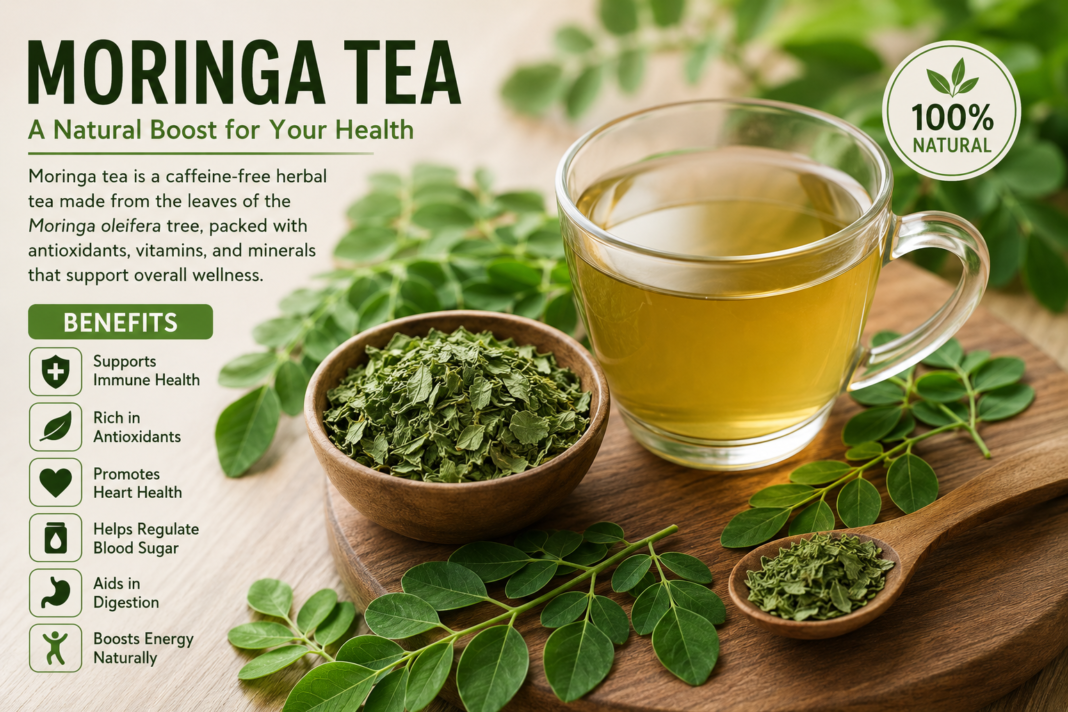

Moringa tea has become one of the most popular herbal beverages among health-conscious individuals, thanks to its impressive nutrient profile and naturally caffeine-free nature. Made from the dried leaves of the Moringa oleifera tree, this herbal tea has been used in traditional medicine for centuries across Asia and Africa. Today, researchers continue to explore its potential health benefits, ranging from antioxidant support to heart health and blood sugar management.
Moringa tea has become one of the most popular herbal beverages among health-conscious individuals, thanks to its impressive nutrient profile and naturally caffeine-free nature. Made from the dried leaves of the Moringa oleifera tree, this herbal tea has been used in traditional medicine for centuries across Asia and Africa. Today, researchers continue to explore its potential health benefits, ranging from antioxidant support to heart health and blood sugar management.
Unlike black or green tea, moringa tea contains no caffeine, making it an excellent choice for those looking for a soothing drink at any time of the day. Its earthy, mildly grassy flavor pairs well with honey, lemon, or ginger, making it both refreshing and versatile.
In this guide, you’ll learn what moringa tea is, its nutritional value, potential health benefits backed by current research, and how it compares with other popular herbal beverages. You’ll also discover practical tips for enjoying moringa tea safely and effectively.
What Is Moringa Tea?
Moringa tea is a herbal infusion prepared from the dried leaves of the Moringa oleifera tree, often called the “miracle tree” because nearly every part of the plant has traditional uses. Native to parts of India, Africa, and Southeast Asia, moringa thrives in warm climates and is valued for its nutrient-rich leaves.
Unlike traditional teas made from the Camellia sinensis plant, moringa tea is naturally caffeine-free. It is commonly available in loose-leaf form, tea bags, or powdered leaves that dissolve directly into hot water.
How Is Moringa Tea Made?
The process is simple and helps preserve the plant’s nutrients:
- Fresh moringa leaves are harvested.
- The leaves are gently dried to retain vitamins and antioxidants.
- They are then crushed into loose leaves, packed into tea bags, or ground into powder.
- The dried leaves are steeped in hot water to create a mild herbal infusion.
Because it undergoes minimal processing, moringa tea retains many of the naturally occurring plant compounds found in fresh leaves.
Nutritional Profile of Moringa Tea
Moringa leaves are naturally rich in vitamins, minerals, and plant-based antioxidants. Although brewed moringa tea contains lower concentrations than eating the leaves directly, it still provides beneficial phytonutrients that contribute to overall wellness.
| Nutrient | Potential Role in the Body |
| Vitamin C | Supports immune function and collagen production |
| Vitamin A | Helps maintain healthy vision and skin |
| Calcium | Supports strong bones and teeth |
| Potassium | Helps regulate fluid balance and muscle function |
| Magnesium | Supports normal nerve and muscle function |
| Iron | Contributes to healthy oxygen transport |
| Polyphenols | Help protect cells from oxidative stress |
| Flavonoids | Provide antioxidant and anti-inflammatory activity |
It’s important to remember that the exact nutrient content varies depending on the quality of the leaves, brewing time, and preparation method.
Potential Health Benefits of Moringa Tea
Research on moringa tea is growing, but it’s important to distinguish between traditional uses and findings from modern scientific studies. While many results are promising, some benefits require further human research before firm conclusions can be made.
Rich in Antioxidants
One of the biggest reasons people drink moringa tea is its high antioxidant content.
Antioxidants help neutralize unstable molecules called free radicals that can damage cells over time. Oxidative stress has been linked to aging and several chronic diseases.
Moringa contains natural plant compounds such as:
- Quercetin
- Chlorogenic acid
- Polyphenols
- Flavonoids
These compounds may help protect cells and support overall health as part of a balanced diet.
May Support Healthy Blood Sugar Levels
Some preliminary research suggests that moringa may help support healthy blood sugar regulation.
Scientists believe certain plant compounds found in moringa could influence how the body processes glucose. However, most current evidence comes from small human studies and laboratory research.
People with diabetes should never replace prescribed medication with herbal remedies. If you take blood sugar-lowering medication, consult your healthcare provider before drinking moringa tea regularly.
May Promote Heart Health
Heart health is another area where moringa has attracted scientific interest.
Some studies suggest that moringa’s antioxidants may help support healthy cholesterol levels and reduce oxidative damage associated with cardiovascular disease.
Combined with a nutritious diet, regular exercise, and healthy lifestyle habits, moringa tea may be a beneficial addition to a heart-friendly routine.
May Help Reduce Inflammation
Inflammation is the body’s natural response to injury or infection. However, long-term inflammation may contribute to certain chronic health conditions.
Laboratory studies indicate that compounds in moringa possess anti-inflammatory properties. While more human research is needed, drinking moringa tea may complement an overall anti-inflammatory diet rich in fruits, vegetables, and whole grains.
May Support Immune Function
Moringa leaves naturally contain vitamins A and C, along with antioxidants that help support normal immune function.
Although moringa tea is not a cure or preventive treatment for illness, incorporating nutrient-rich beverages into a balanced diet may help maintain overall wellness throughout the year.
Can Moringa Tea Help With Weight Loss?
Many online articles claim that moringa tea is a weight-loss miracle, but current evidence does not support this claim.
Instead, moringa tea may support healthy weight management in indirect ways:
- It contains virtually no calories when consumed plain.
- It can replace sugary beverages.
- It may promote hydration.
- Drinking herbal tea can encourage mindful eating habits.
Sustainable weight loss still depends on maintaining a calorie-controlled diet, regular physical activity, and consistent healthy lifestyle choices.
Health Benefits at a Glance
| Potential Benefit | Current Evidence |
| Antioxidant support | Strong |
| Immune support | Moderate |
| Heart health | Moderate |
| Blood sugar support | Moderate |
| Anti-inflammatory effects | Moderate |
| Weight loss | Limited evidence |
| Detoxification | Insufficient evidence |
By understanding what current research does—and does not—show, you can enjoy moringa tea with realistic expectations while appreciating its role as a nutritious, caffeine-free herbal beverage.
What Does Moringa Tea Taste Like?
One of the first questions many people ask is, “What does moringa tea taste like?” The flavor is unique but generally pleasant for those who enjoy herbal teas.
Moringa tea has:
- A mild earthy taste
- Fresh grassy notes similar to spinach
- A slightly vegetal aroma
- A light natural bitterness when steeped too long
If you’re new to moringa tea, you can enhance its flavor by adding:
- 🍋 Lemon
- 🍯 Honey
- 🌿 Fresh mint
- 🫚 Ginger
- 🍂 Cinnamon
These additions complement the tea without overpowering its natural taste.
How to Brew Moringa Tea
Brewing moringa tea correctly helps preserve its flavor and beneficial plant compounds.
Loose-Leaf Method
Ingredients
- 1 teaspoon loose moringa leaves
- 1 cup hot water (80–90°C)
Instructions
- Heat water until it’s hot but not boiling.
- Add the moringa leaves to a tea infuser.
- Steep for 4–6 minutes.
- Strain and enjoy.
- Add honey or lemon if desired.
Tea Bag Method
- Place one tea bag in a cup.
- Pour hot water over it.
- Steep for about 5 minutes.
- Remove the tea bag before drinking.
Moringa Powder Method
- Mix ½–1 teaspoon of moringa powder into hot water.
- Stir well until fully dissolved.
- Add cinnamon or honey for a smoother taste.
Refreshing Iced Moringa Tea Recipe
A cold version is perfect during warm weather.
Ingredients
- 2 cups brewed moringa tea
- Ice cubes
- Lemon slices
- Fresh mint
- Optional honey
Simply brew the tea, allow it to cool, pour it over ice, and garnish with lemon and mint.
Brewing Guide
| Tea Type | Water Temperature | Steeping Time |
| Loose Leaf | 80–90°C | 4–6 minutes |
| Tea Bag | 90°C | 5 minutes |
| Powder | Hot water | Stir until dissolved |
Best Time to Drink Moringa Tea
Since moringa tea is naturally caffeine-free, you can enjoy it throughout the day.
Morning
A refreshing start to the day that pairs well with breakfast.
Afternoon
A great alternative to sugary soft drinks or caffeinated beverages.
Evening
Because it contains no caffeine, many people enjoy moringa tea as a relaxing evening drink.
Before or After Meals
Some people prefer drinking moringa tea after meals as part of a healthy routine, although there is no strong evidence that timing significantly changes its benefits.
How Much Moringa Tea Can You Drink Daily?
For most healthy adults, 1–3 cups per day is generally considered a moderate amount.
If you’re trying moringa tea for the first time:
- Start with one cup daily.
- Observe how your body responds.
- Increase gradually if desired.
Always consult a healthcare professional if you have a medical condition or take prescription medications.
Possible Side Effects and Precautions
Although moringa tea is generally well tolerated, moderation is important.
Possible side effects include:
- Mild digestive discomfort
- Upset stomach
- Nausea when consumed in excessive amounts
Who Should Be Cautious?
Speak with your healthcare provider before drinking moringa tea regularly if you:
- Are pregnant or breastfeeding
- Take diabetes medications
- Take blood pressure medications
- Have a chronic medical condition
- Are scheduled for surgery
Moringa tea should complement a healthy lifestyle—not replace prescribed treatments or medical advice.
Moringa Tea vs. Green Tea
Many people compare moringa tea with green tea when choosing a healthy beverage.
| Feature | Moringa Tea | Green Tea |
| Caffeine | ❌ No | ✅ Yes |
| Taste | Earthy and herbal | Fresh and slightly grassy |
| Antioxidants | High | High |
| Best For | Caffeine-free wellness | Natural energy and focus |
| Evening Drink | Excellent | Less suitable for caffeine-sensitive individuals |
If you’re avoiding caffeine, moringa tea is an excellent alternative while still providing beneficial plant compounds.
How to Choose the Best Moringa Tea
Not all moringa tea products are the same. Keep these tips in mind:
✔ Choose 100% moringa leaves without unnecessary additives.
✔ Look for organic certification when possible.
✔ Prefer airtight packaging to maintain freshness.
✔ Buy from reputable brands with transparent sourcing practices.
✔ Check the ingredient list for artificial flavors or fillers.
How to Store Moringa Tea
Proper storage helps preserve freshness and flavor.
- Store in an airtight container.
- Keep away from heat and direct sunlight.
- Avoid moisture.
- Use within the recommended shelf life for the best taste.
Common Mistakes to Avoid
To get the most from moringa tea:
- Don’t use boiling water, which can make the tea overly bitter.
- Avoid steeping for too long.
- Don’t expect instant health results.
- Avoid drinking excessive amounts.
- Never replace prescribed medication with herbal tea.
Conclusion
Moringa tea is a naturally caffeine-free herbal drink made from the nutrient-rich leaves of the Moringa oleifera tree. Its earthy flavor, antioxidant content, and potential health benefits have made it a popular choice for people seeking a wholesome addition to their daily routine.
While research suggests that moringa tea may support antioxidant activity, heart health, immune function, and healthy blood sugar levels, many of these findings are still evolving. It should be viewed as part of a balanced diet and healthy lifestyle rather than a cure or replacement for medical treatment.
Whether you enjoy it hot or iced, plain or flavored with lemon and honey, moringa tea offers a simple and refreshing way to diversify your beverage choices. By brewing it correctly, consuming it in moderation, and choosing high-quality products, you can enjoy its unique flavor and potential wellness benefits with confidence.
Frequently Asked Questions
1. Is moringa tea caffeine-free?
Yes. Moringa tea is naturally caffeine-free, making it suitable for any time of day.
2. Can I drink moringa tea every day?
Most healthy adults can enjoy 1–3 cups daily in moderation. If you have a medical condition or take medications, consult a healthcare professional first.
3. Does moringa tea help with weight loss?
Moringa tea is not a magic weight-loss solution. It may support healthy habits by replacing sugary drinks and providing a low-calorie beverage, but sustainable weight loss depends on diet and exercise.
4. What does moringa tea taste like?
It has a mild earthy, grassy flavor with slight herbal notes. Adding honey, lemon, or ginger can create a smoother taste.
5. Is moringa tea better than green tea?
Neither tea is universally better. Moringa tea is naturally caffeine-free, while green tea contains caffeine and is often chosen for energy and focus. The better option depends on your personal preferences and health goals.
6. Can pregnant women drink moringa tea?
Pregnant or breastfeeding women should consult a healthcare professional before consuming moringa tea regularly because safety data are limited.