
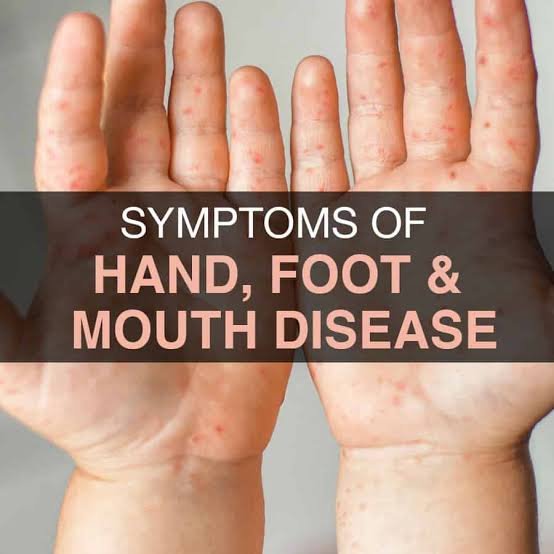

Hand foot and mouth disease (HFMD) is often considered a childhood illness, but adults can also develop this viral infection. While many cases in adults are mild, symptoms may sometimes be confusing because they can look like other conditions, including allergic reactions, herpes infections, or other viral rashes. Understanding the signs, causes, treatment options, and prevention methods can help adults manage the condition effectively.
Hand foot and mouth disease in adults usually occurs after exposure to infected children, especially in households, schools, or daycare environments. The illness is caused by enteroviruses and commonly leads to fever, mouth sores, and a rash on the hands and feet. Most adults recover within one to two weeks with proper supportive care, but knowing when to seek medical advice is important.
What Is Hand Foot and Mouth Disease in Adults?
Hand foot and mouth disease is a contagious viral infection caused mainly by viruses from the enterovirus family, including Coxsackievirus A16 and Enterovirus 71. Although it is more common among young children, adults can become infected through close contact with someone carrying the virus.
The infection spreads through:
- Respiratory droplets from coughing or sneezing
- Saliva and nasal secretions
- Contact with blister fluid
- Contaminated surfaces
- Contact with infected stool
Adults who care for young children, work in childcare settings, or live with infected family members have a higher chance of catching HFMD.
Can Adults Get Hand Foot and Mouth Disease?
Yes, adults can get hand foot and mouth disease, although it happens less frequently than in children. Many adults may have some immunity from previous exposure to similar viruses, but infection is still possible.
For example, a parent whose child develops HFMD at daycare may notice symptoms several days later, including tiredness, fever, throat discomfort, and small painful blisters on the hands or feet.
Some adults experience mild symptoms, while others may develop more noticeable rashes and painful mouth ulcers.
Symptoms of Hand Foot and Mouth Disease in Adults
Symptoms usually appear three to six days after exposure to the virus. The condition often begins with general flu-like symptoms before the classic rash develops.
Early Symptoms
The first signs may include:
- Low-grade fever
- Fatigue
- Sore throat
- Reduced appetite
- Body aches
- Feeling generally unwell
Skin and Mouth Symptoms
After the early symptoms, adults may develop:
- Painful mouth sores
- Red spots or small blisters on hands
- Foot rash or lesions
- Tender skin areas
- Discomfort while eating or drinking
Mouth sores can make swallowing painful, which may increase the risk of dehydration if fluid intake decreases.
Less Common Symptoms
Some adults may experience:
- Headaches
- More widespread rash
- Nail changes after recovery
- Increased skin sensitivity
What Does HFMD Look Like in Adults?
In adults, HFMD may appear as small red spots, flat patches, or fluid-filled blisters. The rash commonly appears on:
- Palms of the hands
- Soles of the feet
- Fingers and toes
- Around the mouth
Unlike some other viral infections, HFMD lesions are usually concentrated in these areas. However, some adults may have unusual symptoms, making professional evaluation helpful if the diagnosis is uncertain.
Hand Foot and Mouth Disease Symptoms Timeline
| Stage | Common Symptoms |
| Days 1–3 | Fever, tiredness, sore throat, body aches |
| Days 3–7 | Mouth ulcers, hand and foot rash, blisters |
| Days 7–10 | Symptoms usually begin improving |
| Following weeks | Possible nail changes in some cases |
Recovery varies depending on overall health, immune response, and the severity of symptoms.
Causes and Risk Factors
The main cause of HFMD is infection with enteroviruses. The virus can spread quickly in places where people have close contact.
Adults at higher risk include:
- Parents of young children
- Childcare workers
- Teachers
- Healthcare workers
- People exposed to infected family members
Having a weakened immune system may also increase the chance of experiencing more severe symptoms.
How Is Hand Foot and Mouth Disease Diagnosed?
Doctors usually diagnose HFMD by reviewing symptoms and examining the rash and mouth sores. Laboratory tests are not always necessary because the condition often has recognizable signs.
However, medical evaluation may be recommended if symptoms are severe or if another condition could be causing similar symptoms.
Conditions that may look similar include:
| Condition | Similar Symptoms | Key Difference |
| Chickenpox | Fever and rash | Rash pattern is usually different |
| Herpes infection | Mouth sores | Caused by a different virus |
| Allergic reaction | Skin irritation | Usually lacks typical HFMD mouth sores |
Treatment for Hand Foot and Mouth Disease in Adults
There is no specific medication that eliminates HFMD. Treatment focuses on reducing discomfort and supporting recovery while the immune system fights the virus.
Manage Pain and Fever
Adults may use appropriate over-the-counter pain relief options to reduce fever and discomfort. Always follow medication instructions and seek medical advice if symptoms are severe.
Stay Hydrated
Because mouth sores can make drinking uncomfortable, adults should focus on:
- Drinking plenty of fluids
- Choosing cool beverages
- Eating soft foods
- Avoiding spicy or acidic foods
Care for Skin Symptoms
To reduce irritation:
- Keep affected areas clean
- Avoid scratching blisters
- Wash hands regularly
- Avoid sharing personal items
How Long Does HFMD Last in Adults?
Most adults recover within 7 to 10 days. Fever and discomfort often improve first, while skin symptoms may take longer to completely disappear.
In some cases, adults may notice nail changes several weeks after recovery. This temporary condition, sometimes called nail shedding, can occur after certain viral infections and usually resolves naturally.
Is Hand Foot and Mouth Disease Contagious in Adults?
Yes, adults with HFMD can spread the virus to others. The infection is often most contagious during the first week when symptoms are active.
To reduce transmission:
- Wash hands frequently
- Avoid sharing cups and utensils
- Clean frequently touched surfaces
- Avoid close contact while feeling unwell
- Practice good bathroom hygiene
When Should Adults See a Doctor?
Most cases are mild, but medical advice should be considered if:
- Fever does not improve
- Severe dehydration develops
- Mouth pain prevents drinking
- Symptoms become worse instead of better
- Severe headache or unusual symptoms occur
- The person has a weakened immune system
Hand Foot and Mouth Disease in Adults vs Children
| Feature | Adults | Children |
| Frequency | Less common | Very common |
| Main exposure | Often through children | Schools and daycare |
| Symptoms | May be unusual or stronger | Classic symptoms |
| Recovery | Usually 7–10 days | Usually 7–10 days |
Prevention Tips for Adults
Preventing infection mainly involves good hygiene practices:
- Wash hands with soap regularly
- Disinfect shared surfaces
- Avoid close contact with infected people
- Do not share food, drinks, or utensils
- Teach children proper hygiene habits
Conclusion
Hand foot and mouth disease in adults is less common than in children but can still occur, especially after exposure to infected individuals. Recognizing symptoms such as fever, mouth sores, and hand or foot rashes can help adults manage the condition early. Most people recover with rest, hydration, and supportive care. Maintaining good hygiene and understanding when to seek medical advice are key steps for preventing complications and reducing spread.
Frequently Asked Questions
Can adults get hand foot and mouth disease twice?
Yes. Adults can get HFMD more than once because different enteroviruses can cause the infection. Previous infection does not always provide complete protection.
Is hand foot and mouth disease dangerous for adults?
Most adult cases are mild and resolve without complications. However, severe symptoms, dehydration, or neurological symptoms require medical attention.
How does hand foot and mouth disease start in adults?
It often begins with fever, fatigue, sore throat, and feeling unwell before mouth sores and skin rashes appear.
Can adults go to work with HFMD?
Adults should avoid work while they have fever, feel significantly unwell, or have active symptoms that could spread infection. Workplace rules may vary.
How long is HFMD contagious in adults?
Adults are usually most contagious during the first week, although the virus may remain in the body for longer periods.
What foods should adults avoid with HFMD?
Spicy, salty, and acidic foods may irritate mouth sores. Soft foods and cool drinks are often more comfortable.
Can HFMD affect adults differently than children?
Yes. Adults may experience less obvious symptoms or unusual presentations compared with children, which can sometimes make diagnosis more difficult.