
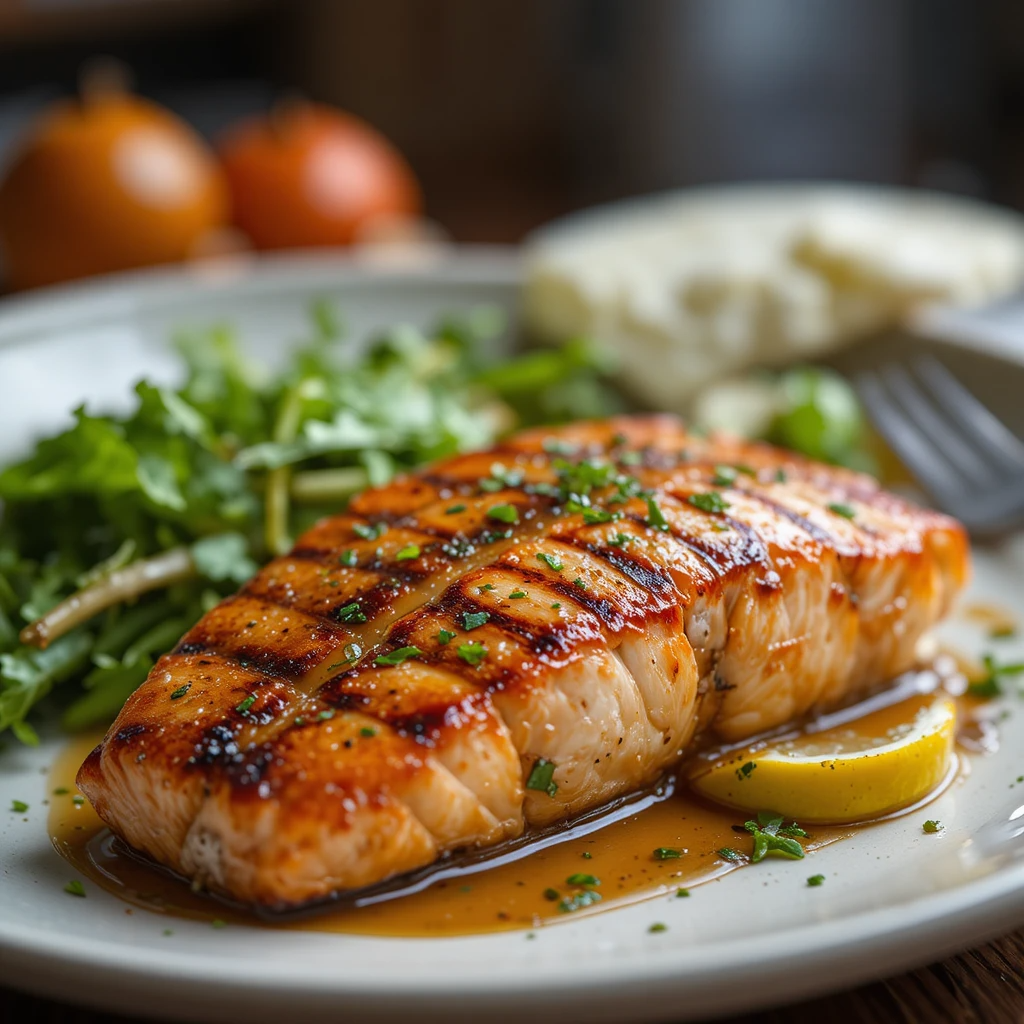

A great grilled salmon marinade can transform a simple piece of fish into a restaurant-quality meal packed with flavor, moisture, and irresistible aroma. Whether you’re cooking for a weeknight dinner, a backyard barbecue, or a special gathering, the right marinade helps enhance salmon’s natural richness while creating a beautifully caramelized exterior on the grill.
Many people focus exclusively on grilling technique, but the secret to exceptional salmon often starts long before the fish touches the grates. Understanding ingredients, timing, flavor combinations, and preparation methods allows you to create consistently delicious results. This comprehensive guide covers everything you need to know about creating the perfect grilled salmon marinade and mastering grilled salmon from start to finish.
Why Marinades Matter for Salmon
Salmon is naturally flavorful, rich in healthy fats, and relatively forgiving compared to lean fish. However, a thoughtfully crafted marinade elevates its taste profile by adding layers of sweetness, acidity, savory depth, and aromatic complexity that complement the fish’s natural characteristics.
A quality grilled salmon marinade also helps retain moisture during cooking. While salmon contains beneficial oils, exposure to high grill temperatures can still dry it out. Marinades create a protective flavor coating that contributes to tenderness and a more satisfying eating experience.
Understanding Salmon’s Flavor Profile
Salmon has a rich, buttery texture and a slightly sweet, ocean-inspired flavor. Unlike delicate white fish, it can stand up to bold ingredients such as garlic, soy sauce, citrus, herbs, mustard, and spices without becoming overwhelmed.
This versatility makes salmon one of the most adaptable proteins for marinades. From Asian-inspired glazes to Mediterranean herb blends and smoky barbecue flavors, salmon readily absorbs complementary ingredients while maintaining its distinctive identity.
The Science Behind a Great Grilled Salmon Marinade
A marinade typically consists of three foundational elements: acid, fat, and flavoring agents. Each component contributes differently to the overall result, creating balance and complexity.
Acids such as lemon juice, lime juice, or vinegar brighten flavors and help ingredients penetrate the fish’s surface. Oils contribute richness and help carry fat-soluble flavors, while seasonings like herbs, spices, garlic, and sweeteners create the unique character of the marinade.
Essential Ingredients for Marinating Salmon
The best marinades begin with high-quality ingredients. Fresh herbs, citrus juice, premium oils, and balanced seasonings produce noticeably superior results compared to heavily processed alternatives.
Popular ingredients include olive oil, soy sauce, honey, maple syrup, Dijon mustard, garlic, ginger, lemon juice, orange juice, brown sugar, fresh herbs, black pepper, and paprika. Combining these thoughtfully creates a balanced grilled salmon marinade that enhances rather than masks the fish.
Common Marinade Flavor Profiles
Different flavor profiles can dramatically change the character of grilled salmon. Choosing one depends on your meal theme, side dishes, and personal preferences.
Popular approaches include sweet-and-savory Asian combinations, herb-forward Mediterranean blends, citrus-focused marinades, smoky barbecue styles, spicy Cajun-inspired options, and garlic-butter preparations that emphasize richness and comfort.
Best Marinade Ingredients Comparison
| Ingredient | Flavor Contribution | Best Use | Notes |
| Lemon Juice | Bright acidity | Mediterranean recipes | Fresh flavor and balance |
| Lime Juice | Sharp citrus notes | Tropical and spicy marinades | Excellent with cilantro |
| Soy Sauce | Umami depth | Asian-inspired dishes | Adds saltiness |
| Honey | Natural sweetness | Caramelization | Helps create grill marks |
| Maple Syrup | Rich sweetness | Smoky marinades | Complements cedar-plank cooking |
| Dijon Mustard | Tangy complexity | Herb marinades | Excellent emulsifier |
| Garlic | Savory aroma | Universal use | Fresh cloves preferred |
| Ginger | Warm spice | Asian recipes | Pairs well with soy sauce |
| Olive Oil | Richness and moisture | Most marinades | Supports flavor distribution |
| Fresh Herbs | Aromatic freshness | Mediterranean recipes | Add near preparation time |
The Classic Lemon Garlic Marinade
One of the most popular options combines olive oil, fresh lemon juice, minced garlic, salt, pepper, and chopped parsley. This classic preparation highlights salmon’s natural flavor while adding freshness and brightness.
The balance of citrus and garlic creates a clean, versatile taste that pairs well with vegetables, rice, potatoes, or salads. It is especially effective when serving grilled salmon during warmer months.
Asian-Inspired Soy Ginger Marinade
Soy sauce, fresh ginger, garlic, sesame oil, and honey create a deeply savory flavor profile with subtle sweetness. This combination develops a beautiful glaze when exposed to grill heat.
Many grilling enthusiasts consider this style of grilled salmon marinade among the most reliable because it delivers strong flavor while preserving moisture. The result pairs exceptionally well with rice bowls, stir-fried vegetables, and Asian-inspired side dishes.
Mediterranean Herb Marinade
Mediterranean flavors emphasize freshness and simplicity. Olive oil, oregano, basil, parsley, lemon zest, and garlic create a vibrant marinade that enhances salmon without overpowering it.
This approach works particularly well when paired with grilled vegetables, couscous, quinoa, or Greek-inspired salads. The herbaceous aroma creates a sophisticated yet approachable dining experience.
Sweet and Smoky Maple Marinade
Maple syrup provides a rich sweetness that caramelizes beautifully on the grill. Combined with smoked paprika, garlic, black pepper, and a touch of mustard, it creates an appealing sweet-and-smoky profile.
The resulting flavor develops a slightly charred exterior while maintaining a tender interior. This combination is especially popular during outdoor grilling season and backyard cookouts.
How Long Should Salmon Be Marinated?
Timing is critical when working with fish. Unlike tougher cuts of meat, salmon does not require extended marinating periods to develop flavor.
Most experts recommend marinating salmon for 30 minutes to 2 hours. Longer exposure to acidic ingredients may negatively affect texture, causing the fish to become overly soft or mushy.
Signs of Over-Marinated Salmon
Many home cooks assume longer marinating always means better flavor. In reality, excessive marination can diminish texture and negatively affect cooking performance.
If salmon begins appearing unusually soft, pale, or slightly cured around the edges, it may have spent too much time in an acidic mixture. Maintaining proper timing helps preserve the ideal flaky texture.
Choosing the Best Salmon for Grilling
The quality of the fish significantly impacts final results. Fresh salmon with firm flesh, vibrant color, and a clean aroma generally produces the best grilled outcomes.
Popular varieties include Atlantic salmon, sockeye salmon, coho salmon, and king salmon. Each offers unique characteristics, but all benefit from a carefully balanced grilled salmon marinade.
Fresh vs Frozen Salmon
Frozen salmon often receives an unfair reputation. In reality, properly frozen fish can deliver excellent quality because it is typically frozen shortly after harvest.
The key is proper thawing. Allow frozen salmon to thaw gradually in the refrigerator overnight before marinating to ensure even flavor absorption and consistent grilling performance.
Preparing Salmon Before Marinating
Proper preparation begins with patting the fish dry using paper towels. Removing excess moisture helps the marinade adhere more effectively and promotes better grill caramelization.
Inspect the fillets for pin bones and remove any that remain. Uniform fillet thickness also encourages even cooking and reduces the risk of overcooking thinner sections.
Grilling Equipment Considerations
Successful salmon grilling requires clean grates and proper heat management. Dirty grates increase sticking and can damage delicate fish during flipping.
Many grillers lightly oil the grates before cooking. This simple step helps maintain intact fillets and contributes to attractive grill marks.
Direct Heat vs Indirect Heat
Direct heat creates appealing char and grill marks while developing exterior caramelization. It works especially well for thinner salmon fillets and shorter cooking times.
Indirect heat provides gentler cooking for thicker cuts. Combining both methods often produces the ideal balance between exterior texture and interior moisture retention.
Temperature Guidelines for Perfect Salmon
Internal temperature remains one of the most reliable indicators of doneness. While preferences vary, many chefs recommend removing salmon from the grill at approximately 125°F to 130°F for a moist finish.
Residual heat continues cooking the fish after removal. This carryover cooking helps achieve a flaky texture without sacrificing juiciness.
Preventing Salmon from Sticking
Sticking is among the most common frustrations when grilling fish. Properly preheated grates and adequate oil significantly reduce this issue.
Patience also matters. Salmon naturally releases more easily once it develops a crust. Attempting to flip too early often causes tearing and broken fillets.
Pairing Side Dishes with Grilled Salmon
Complementary side dishes enhance the overall meal experience. Fresh salads, roasted vegetables, grilled asparagus, rice pilaf, quinoa, and herb potatoes all pair beautifully with marinated salmon.
The best pairings reflect the marinade’s flavor profile. Citrus marinades pair well with bright vegetables, while sweeter marinades often complement smoky or savory sides.
Healthy Benefits of Marinated Grilled Salmon
Salmon is widely recognized for its nutritional value, particularly its omega-3 fatty acids, high-quality protein, vitamins, and minerals. Grilling allows these benefits to shine without requiring excessive added fats.
When prepared using wholesome ingredients, a grilled salmon marinade can contribute additional nutritional value through herbs, spices, citrus fruits, and heart-healthy oils.
Common Marinade Mistakes to Avoid
One frequent mistake involves using too much acid. Excessive citrus juice or vinegar can alter texture and overwhelm salmon’s natural flavor.
Another common error is failing to balance sweetness, acidity, and saltiness. The most successful marinades achieve harmony among these elements rather than emphasizing one excessively.
Adapting Marinades for Different Occasions
Casual weeknight meals often benefit from simple marinades featuring a handful of ingredients. Quick preparation and familiar flavors make them convenient and approachable.
For entertaining, more sophisticated combinations involving specialty herbs, premium oils, and layered seasonings can create memorable dining experiences that impress guests without excessive complexity.
The Role of Sweeteners in Marinades
Sweeteners serve multiple purposes beyond flavor. Honey, maple syrup, and brown sugar promote browning and create attractive caramelization during grilling.
Moderation remains important. Excessive sweetness can burn quickly on high heat, leading to bitterness and uneven flavor development.
Batch Preparation and Meal Planning
Preparing marinades in advance can simplify meal preparation throughout the week. Many marinades remain fresh for several days when stored properly in the refrigerator.
This approach allows busy households to enjoy restaurant-quality grilled salmon with minimal effort. Pre-measured ingredients and prepared sauces streamline cooking and reduce kitchen stress.
Expert Insight on Salmon Marinades
As culinary professionals often emphasize, balance is the defining characteristic of successful marinades.
“The goal of a marinade is to enhance the ingredient, not hide it.”
This principle is particularly important with salmon because its naturally rich flavor deserves support rather than domination.
Seasonal Variations and Trends
Modern grilling trends increasingly emphasize fresh herbs, global flavors, and natural sweeteners. Home cooks are exploring combinations inspired by international cuisines while maintaining simple preparation methods.
Seasonal ingredients also influence marinade choices. Citrus-forward recipes thrive in warmer months, while maple, mustard, and smoky spice blends often become favorites during cooler seasons.
Conclusion
Creating the perfect grilled salmon marinade is both an art and a science. The ideal marinade balances acidity, sweetness, richness, and aromatics while enhancing the fish’s natural qualities rather than masking them. By understanding ingredient functions, marinating times, grilling techniques, and flavor pairings, you can consistently produce tender, flavorful salmon that rivals restaurant-quality results.
Whether you prefer bright lemon garlic notes, savory soy ginger combinations, herbaceous Mediterranean blends, or sweet smoky maple flavors, mastering a grilled salmon marinade opens the door to countless delicious meal possibilities. With quality ingredients and thoughtful preparation, every grilled salmon dinner can become a memorable culinary experience.
FAQ
What is the best grilled salmon marinade?
The best grilled salmon marinade typically combines oil, acid, sweetness, and seasonings. Popular options include lemon garlic, soy ginger, and honey mustard blends that complement salmon’s natural richness.
How long should salmon sit in a marinade?
A grilled salmon marinade usually works best when salmon is marinated for 30 minutes to 2 hours. Longer periods may negatively affect texture due to acidic ingredients.
Can I marinate salmon overnight?
Most experts do not recommend leaving salmon overnight in a highly acidic grilled salmon marinade because the fish can become overly soft and lose its ideal texture.
Should I rinse salmon after marinating?
No. Simply remove excess marinade and pat lightly if necessary. Rinsing may wash away flavor developed by the grilled salmon marinade.
What ingredients should be avoided in salmon marinades?
Avoid excessive acid, extremely high salt levels, or overly sweet mixtures that may burn during grilling. Balance is essential for a successful grilled salmon marinade.
Can frozen salmon be marinated?
Yes. Thaw salmon completely in the refrigerator before applying a grilled salmon marinade to ensure even flavor absorption and proper cooking.
Does a marinade make salmon more tender?
A properly balanced grilled salmon marinade can help maintain moisture and improve texture, but salmon is naturally tender and does not require extensive tenderization.
You Ma Also Read : Magnesium Glycinate vs Citrate